Skip to content
Hi, I’m Anna! 👩🍳 Cooking is my passion, and here on Mom’s Kitchen I share simple, delicious recipes that bring joy and warmth to your table. Whether you love spending time in the kitchen or you’re just looking for easy ideas for everyday meals, I’m so happy to inspire you with my recipes. Thank you for being part of this flavorful journey! 💛
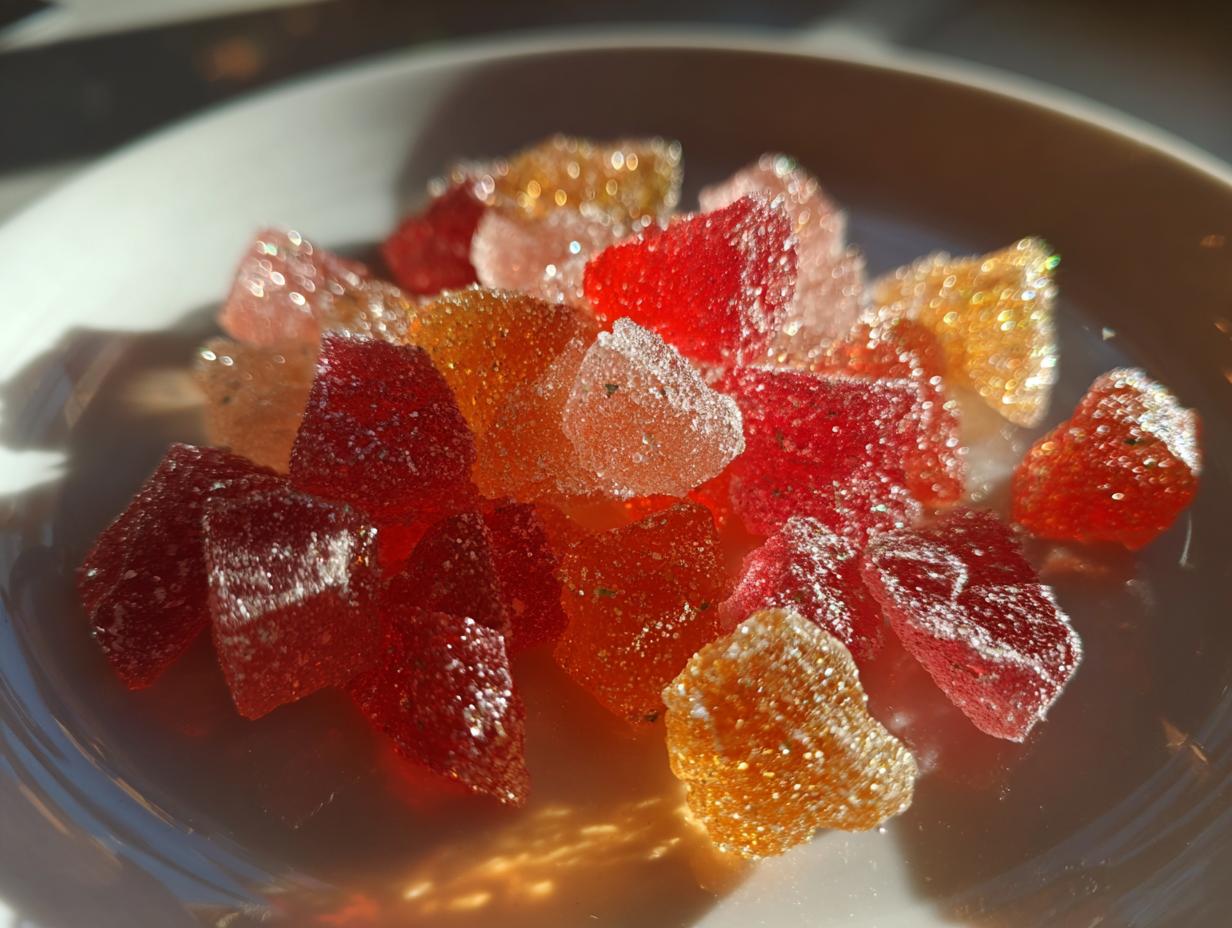
Today, we are diving into something truly magical: the Hard Candy Recipe. I know, I know—candy making sounds scary, like it requires a chemistry degree! But trust me, this simple process is the gateway to making your own beautiful, custom sweets right on your stovetop. This is my go-to, totally foolproof method designed for everyone.
Hard Candy Recipe: Your Guide to Homemade Sweets
For years, I looked at those beautiful, clear candies in jars and just assumed they required advanced skills. I thought I’d burn the sugar or end up with a sticky mess every single time. That fear kept me buying the same old peppermint sticks year after year! But once I finally committed to trying this basic Hard Candy Recipe, everything changed. It’s honestly one of the easiest things you can make, provided you have a thermometer and follow the heat rules. This recipe is all about building confidence, which is a huge part of what I teach here to ensure you earn that kitchen EAT!
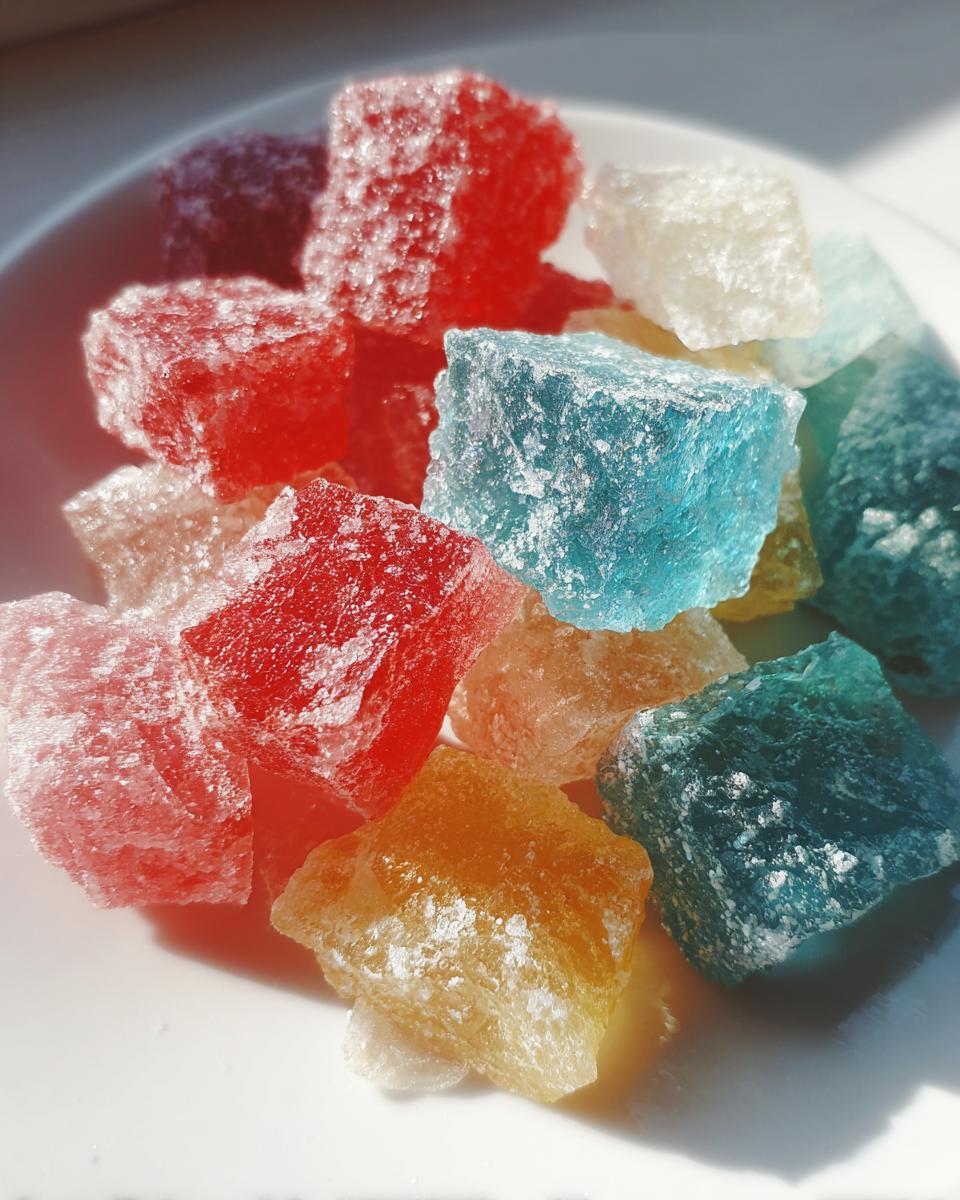
Why Making Your Own Hard Candy Recipe Changed My Kitchen Approach
I used to think candy making was reserved for professionals—too finicky, too easy to ruin. When I first attempted this basic Hard Candy Recipe, I babysat the pot like it was a newborn baby! I was so focused on not stirring and hitting that exact 300 degrees. But when that sheet of perfectly clear, crackable candy finally set, I felt like I could conquer anything in the kitchen. That small success gave me the confidence to tackle yeast breads and tricky sauces later on. Starting simple with this recipe proved to me that I could master temperature, which is the key to all good confectionery!
Essential Components for Your Hard Candy Recipe
Getting the ingredients right is half the battle, seriously. With candy, there’s no room for guesswork, especially with the sugar ratio. We are dealing with crystallization here, so precision matters! Don’t substitute the corn syrup for anything else—it’s what keeps that beautiful sugar from turning into rock-hard, grainy cement. It’s the secret weapon against crystallization, just like vinegar sometimes helps in pasta water!
Gathering Ingredients for the Hard Candy Recipe
You only need a few pantry staples, but make sure you measure them exactly as written. I always use a liquid measuring cup for the water and corn syrup, and then I level off the granulated sugar in a dry measuring cup. You’ll see the recipe calls for a good amount of flavoring—this is where you get to play around later, but for the first time, stick to the recipe so you know what the base tastes like!
- 1 cup granulated sugar
- ⅓ cup water
- ⅓ cup clear corn syrup
- 42 drops Food coloring (liquid is easiest!)
- Flavoring extract or flavor oil
- Powdered sugar for coating later
Equipment Needed for This Hard Candy Recipe
Forget your fancy stand mixer for this one; we need sturdy, simple tools for high heat. If you don’t have a candy thermometer, stop right now and get one. Seriously, boiling sugar without a thermometer is like driving at night without headlights—you’re just guessing where you’re going! You also need a sturdy, *medium* saucepan—don’t use a wide, shallow one, as that increases evaporation too quickly.
- Candy Thermometer (a must-have!)
- Medium, heavy-bottomed saucepan
- Sturdy wooden spoon or heat-safe spatula
- Cookie sheet (for setting the candy)
- Parchment paper or silicone mat (optional, but helpful)
- Offset spatula (for spreading the hot liquid)
- Pastry brush
- Mallet or rolling pin (for breaking the candy)
Step-by-Step Instructions for the Hard Candy Recipe
Okay, this is where the action happens! Don’t rush these steps, especially when the heat is on. I find it helpful to have everything measured and ready to go—your flavorings, coloring, and your prepared sheet—all within arm’s reach before you even turn on the burner. We are aiming for that magical 300 degrees, often called the “hard crack” stage. Patience is your best friend here!
Preparing the Surface for the Hard Candy Recipe
First things first, we need our landing zone ready for the molten sugar. Take your cookie sheet and dust it generously with powdered sugar. I mean really sift it over the entire surface. This powdered sugar is crucial because it prevents the hot candy from sticking immediately, and later, we use it to keep the pieces from clumping together. Set that sheet aside; we won’t touch it again until the candy is poured.
Cooking the Sugar Syrup Base
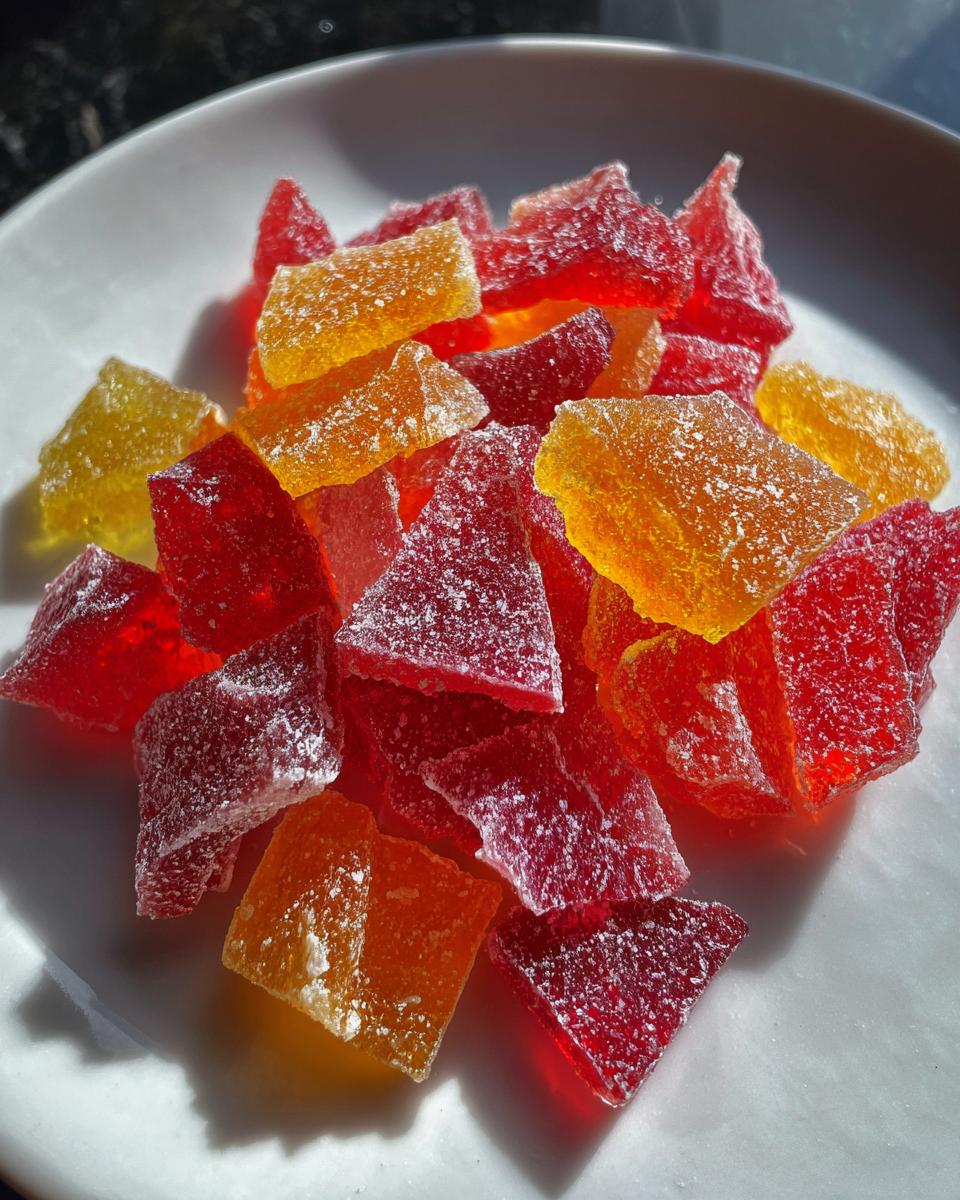
Grab your medium saucepan and add your granulated sugar, water, and corn syrup. Now, this is your only mixing time! Gently stir everything over low heat until you see all the sugar crystals disappear and it looks completely clear. Make sure there’s no sugar clinging to the bottom edges—if there is, use a wet pastry brush to gently wash it down. Once it’s clear, turn the heat up to medium and let it boil. Do not stir it again! Stirring now encourages crystallization, and you’ll end up with gritty candy. Just let it bubble away peacefully. Clip that thermometer on and watch it climb. We need to hit exactly 300 degrees Fahrenheit. It moves fast near the end, so don’t walk away! If you want to read more about the science behind sugar crystallization, you can check out resources on sugar science.
Flavoring and Coloring the Hard Candy Recipe
The second you hit 300°F, yank that pan right off the heat! Seriously, pull it completely away from the burner. Let it sit for about 30 seconds—you’ll see the bubbling calm down just a tiny bit. Now is the moment to quickly add your food coloring and your chosen flavoring extract or oil. Mix it well with your spatula until the color is totally uniform. If you add the flavor while it’s boiling hot on the stove, that lovely scent and taste will just evaporate into thin air, and you’ll be left with sweet, clear sugar, which isn’t what we want!
Setting and Breaking the Final Hard Candy Recipe
Work fast now! Pour the entire mixture onto your prepared, sugared cookie sheet. Use your offset spatula to spread it out quickly into an even layer. It will start to set almost immediately, so you need to be decisive. Once it’s spread, immediately sift another even layer of powdered sugar right over the top of the hot surface. Let this sit undisturbed for at least half an hour, or until it’s completely cool and hard to the touch. When it’s fully set, use a pastry brush to sweep off the excess, loose sugar. Then, put a clean towel over the sheet (to keep pieces from flying everywhere!) and use a mallet or the back of a heavy pan to gently break it into those perfect, bite-sized pieces.
Tips for Success with Your Hard Candy Recipe
Making hard candy is all about respecting the heat and controlling the environment. If you follow these crucial little pointers, you’ll skip the major pitfalls that frustrate first-timers. Remember, candy is very sensitive, especially to moisture, so pay attention to the weather outside before you start!
Avoiding Common Issues in Making Hard Candy Recipe
The biggest rule I can give you is this: Do not stir once the sugar dissolves and it starts boiling! If you see sugar crystals creeping up the sides of your pot while it’s cooking, grab a clean pastry brush dipped in water and gently wash those sides down. This simple trick prevents the entire batch from turning grainy. Also, please, please, do not try to reheat candy that has started to set or gotten sticky. It never comes back right; it just burns or crystalizes further. If you mess up, just wash the pot out and start a fresh batch—it moves fast enough!
And humidity is your enemy! If it’s raining or super muggy outside, you might find your candy gets sticky even after cooling. That moisture in the air just loves to attach itself to sugar. If you notice that happening, make sure you are extra generous with that final powdered sugar toss before storing it away!
Ingredient Notes and Substitutions for Hard Candy Recipe
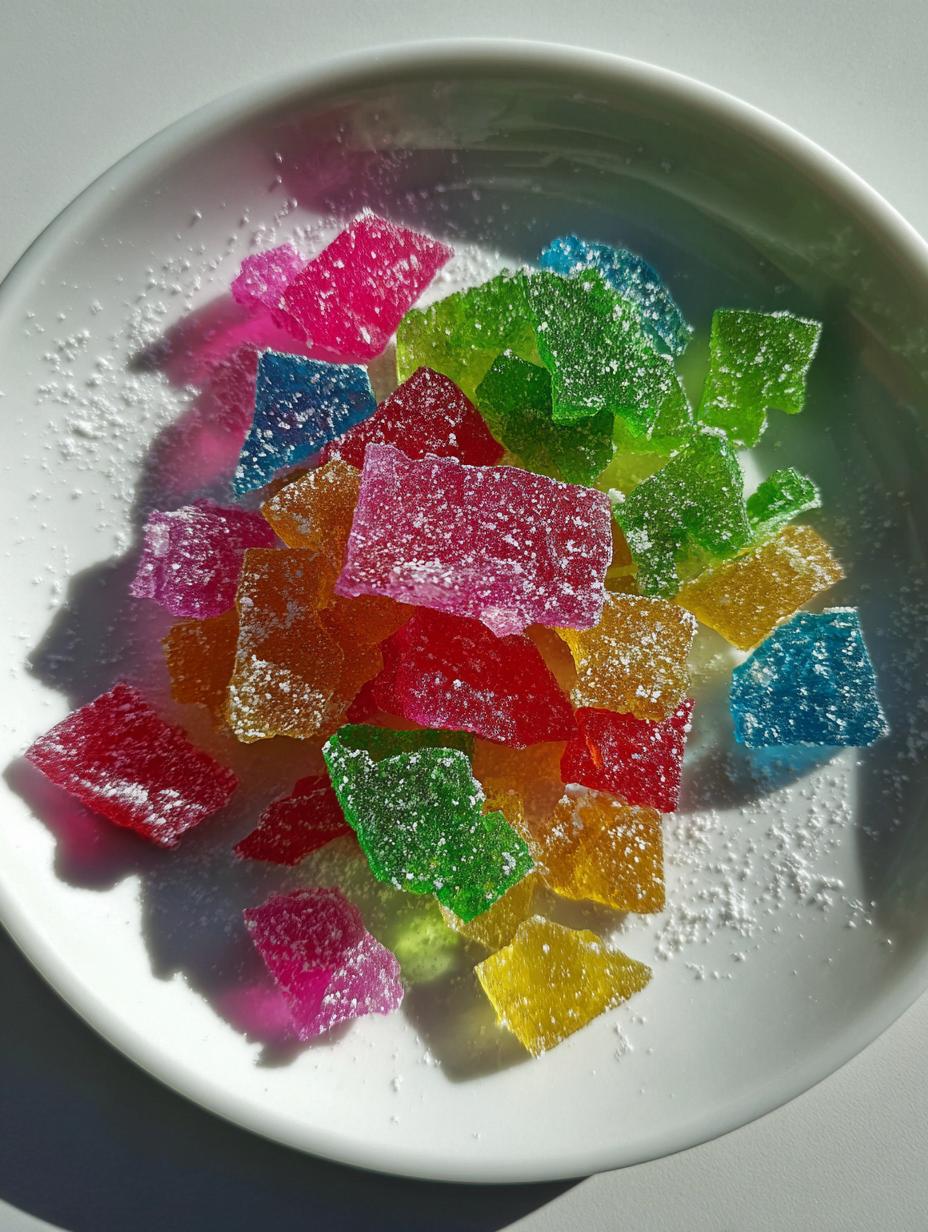
This recipe is pretty set in its ways because of the science involved, but we can tweak the fun parts! When it comes to flavoring, you have options, but you have to know the difference. Extracts, like peppermint, are water-based and work great, but flavor oils, like strawberry or cotton candy, are more potent and give a stronger punch. If you go with an oil, you might use just a tiny bit less.
Now, about that coating: powdered sugar is best because it dissolves slightly on the surface, creating a nice matte finish. If you find the powdered sugar is making things too messy or you are worried about extra sweetness, you can toss the cooled pieces in plain cornstarch instead. It doesn’t add flavor, but it keeps them from sticking together beautifully!
Storing and Keeping Your Hard Candy Recipe Fresh
The absolute worst feeling is making a perfect batch of clear candy only to open the container a day later and find a sticky, gooey mess! That’s why storage rules are non-negotiable with this Hard Candy Recipe. You need an airtight container—no exceptions! Think of glass jars with tight-sealing lids or heavy-duty zip-top bags where you press all the air out. Keep these containers stored at cool room temperature. Never, ever put homemade hard candy in the refrigerator or the freezer, even if you think that’s the coolest spot in the house. The moisture condensation that occurs when cold candy warms up is what causes that awful stickiness.
If you follow these rules, your candy will stay perfectly crisp for weeks. I’ve kept my peppermint batches fresh for nearly three weeks, ready for holiday baskets! If you are interested in learning more about food safety when storing homemade treats, you can check out official guidelines from organizations like the FDA.
Storage Table for Homemade Hard Candy
- Airtight Container: Absolutely required for all storage.
- Temperature: Room temperature only; avoid heat sources.
- Shelf Life: Up to 2-3 weeks if sealed well.
- Humidity Warning: High humidity ruins texture quickly.
Frequently Asked Questions About the Hard Candy Recipe
I get so many questions about this recipe once people see how easy it is! Most of the issues come down to just one or two simple things, usually temperature or moisture. Don’t worry if your first batch isn’t diamond clear—that just means you learned something for the next run, and that’s what cooking is all about!
Can I change the color or flavor in the Hard Candy Recipe?
Absolutely! That’s the fun part of making your own homemade candy. You can use any liquid food coloring you like to get vibrant shades. For flavor, you can swap out the peppermint for a lovely vanilla extract or even use a potent flavor oil for things like watermelon or cinnamon. Just remember the golden rule: always add the flavor *after* you pull the syrup off the heat. If you leave it on the burner, that expensive flavoring just cooks away before it ever gets into your beautiful sugar candy!
Why is my homemade candy sticky after cooling?
Nine times out of ten, stickiness comes down to two things: humidity or storage. If you live in a very muggy climate, the sugar naturally attracts the moisture right out of the air, making your candy tacky. Also, if you didn’t toss the cooled pieces thoroughly in that powdered sugar coating, they will cling to each other. The most important thing is to store them in a truly airtight container away from any heat or moisture. Never try to reheat sticky candy—it just makes it worse!
Understanding the Nutrition of This Hard Candy Recipe
Now, let’s talk about the numbers, though I always tell people candy is a treat, not a health food! Because the yield of this Hard Candy Recipe varies so much—depending on how big you break those pieces—the exact nutrition per serving can change wildly. You might get 50 tiny pieces or only 20 big ones, right?
But for those of you keeping track, I’ve listed the estimates provided by the recipe structure below. Remember, this is based on the full batch divided into a variable number of servings, so treat this information as a general guide rather than a strict daily count. It’s mostly sugar, as you’d expect from pure sugar candy! If you want to learn more about how nutritional information is calculated for recipes, you can read about the general methodology used by many food bloggers, such as on sites detailing nutritional analysis.
Estimated Nutritional Breakdown Table
| Component | Amount (Per Variable Serving) |
|---|---|
| Serving Size | Varies |
| Calories | 22kcal |
| Sugar | 6g |
| Sodium | 2mg |
| Fat | 0.02g |
| Carbohydrates | 6g |
Disclaimer: Nutritional information is estimated based on the core ingredients and may vary depending on the exact flavorings used and the final number of pieces yielded from the batch.
Share Your Hard Candy Recipe Creations
I truly hope this easy Hard Candy Recipe brings a little sparkle to your day! Now it’s your turn to shine. When you make your own custom batch—whether it’s bright blue raspberry or classic peppermint—I want to see it! Please come back, leave a rating below so other nervous bakers can see how simple this was, and tag me in your photos on social media. I love seeing your beautiful, homemade sweets!
Print
Amazing Hard Candy Recipe in 9 Steps
- Total Time: 45 minutes
- Yield: Varies based on candy size
- Diet: Vegetarian
Description
Make homemade hard candy using sugar, corn syrup, and water. This recipe includes instructions for adding color and flavor to create custom hard candies.
Ingredients
- 1 cup granulated sugar
- ⅓ cup water
- ⅓ cup clear corn syrup
- 42 drops Food coloring (liquid recommended)
- Flavoring extract (e.g., peppermint, vanilla) or flavor oil (e.g., strawberry, cotton candy)
- Powdered sugar for coating
Instructions
- Sift powdered sugar over the bottom of a cookie sheet. Set aside.
- In a medium saucepan, add the granulated sugar, water, and corn syrup. Gently stir until all ingredients dissolve and no sugar sticks to the bottom.
- Place the saucepan on medium heat and bring the mixture to a boil.
- Keep the mixture boiling until it reaches 300 degrees F. Do not mix.
- Once the mixture reaches 300 degrees F, remove the saucepan from the heat.
- Wait 30 seconds and add the food coloring and flavor.
- Mix well until the mixture is uniform in color.
- Pour the mixture onto the prepared cookie sheet and use an offset spatula to spread evenly. Work quickly.
- Sift more powdered sugar evenly on top of the candy.
- Let the candy set for at least 30 minutes or until fully hardened.
- Use a pastry brush to brush the excess sugar off.
- Use a mallet to break the candy into bite-sized pieces.
- Store in an airtight container.
Notes
- Store in an airtight container at room temperature, away from humidity.
- The candy can be prepared 2-3 weeks ahead if stored airtight.
- Do not reheat the candy; make a fresh batch instead.
- Avoid freezing; moisture causes stickiness.
- Do not stir once the sugar dissolves.
- Brush down pan sides with a wet pastry brush while cooking.
- Add flavorings off the heat so the flavor does not evaporate.
- Toss cooled pieces in powdered sugar or cornstarch before storing.
- Prep Time: 10 minutes
- Cook Time: 15 minutes
- Category: Confectionery
- Method: Boiling and Setting
- Cuisine: American
Nutrition
- Serving Size: Varies
- Calories: 22kcal
- Sugar: 6g
- Sodium: 2mg
- Fat: 0.02g
- Saturated Fat: Unknown
- Unsaturated Fat: Unknown
- Trans Fat: Unknown
- Carbohydrates: 6g
- Fiber: Unknown
- Protein: Unknown
- Cholesterol: Unknown