Skip to content
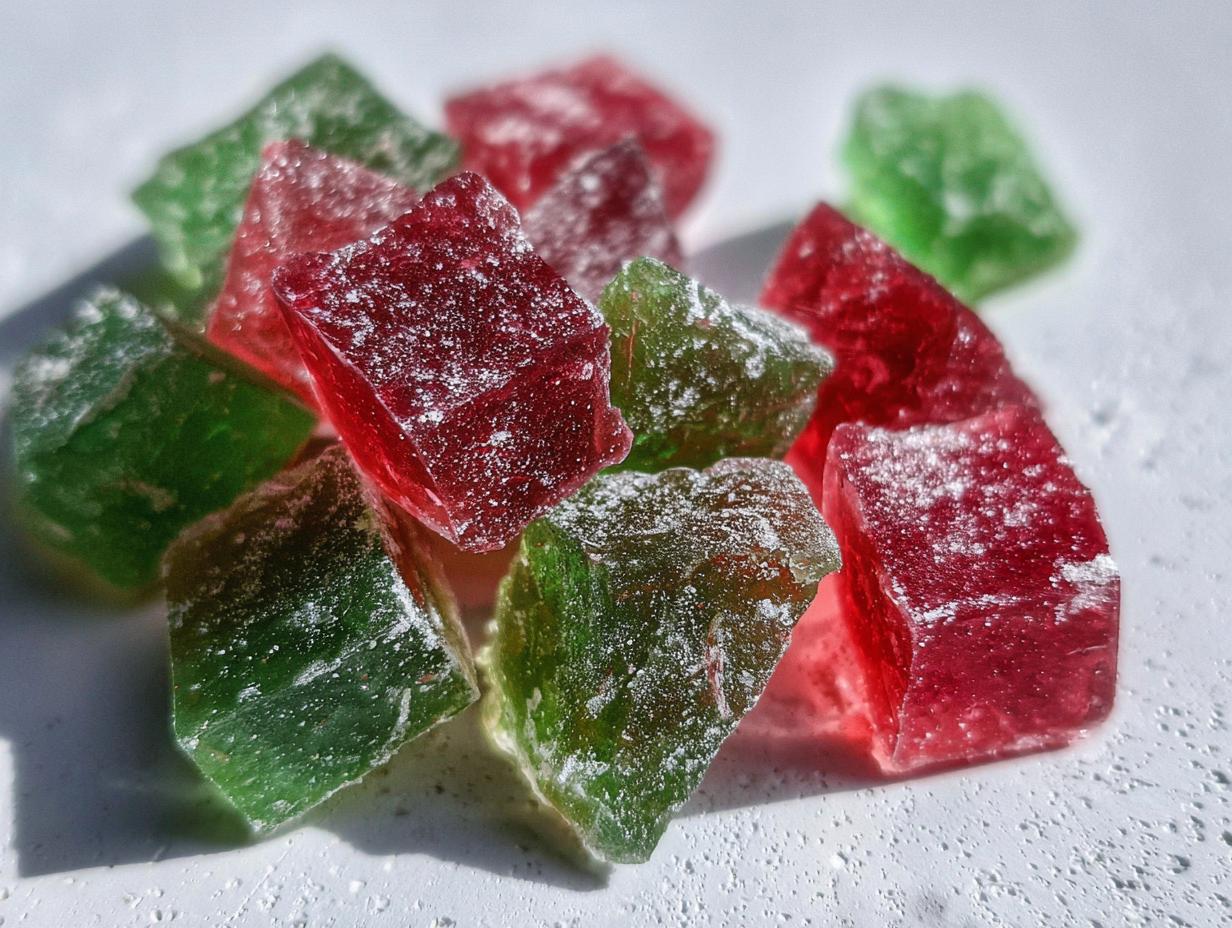
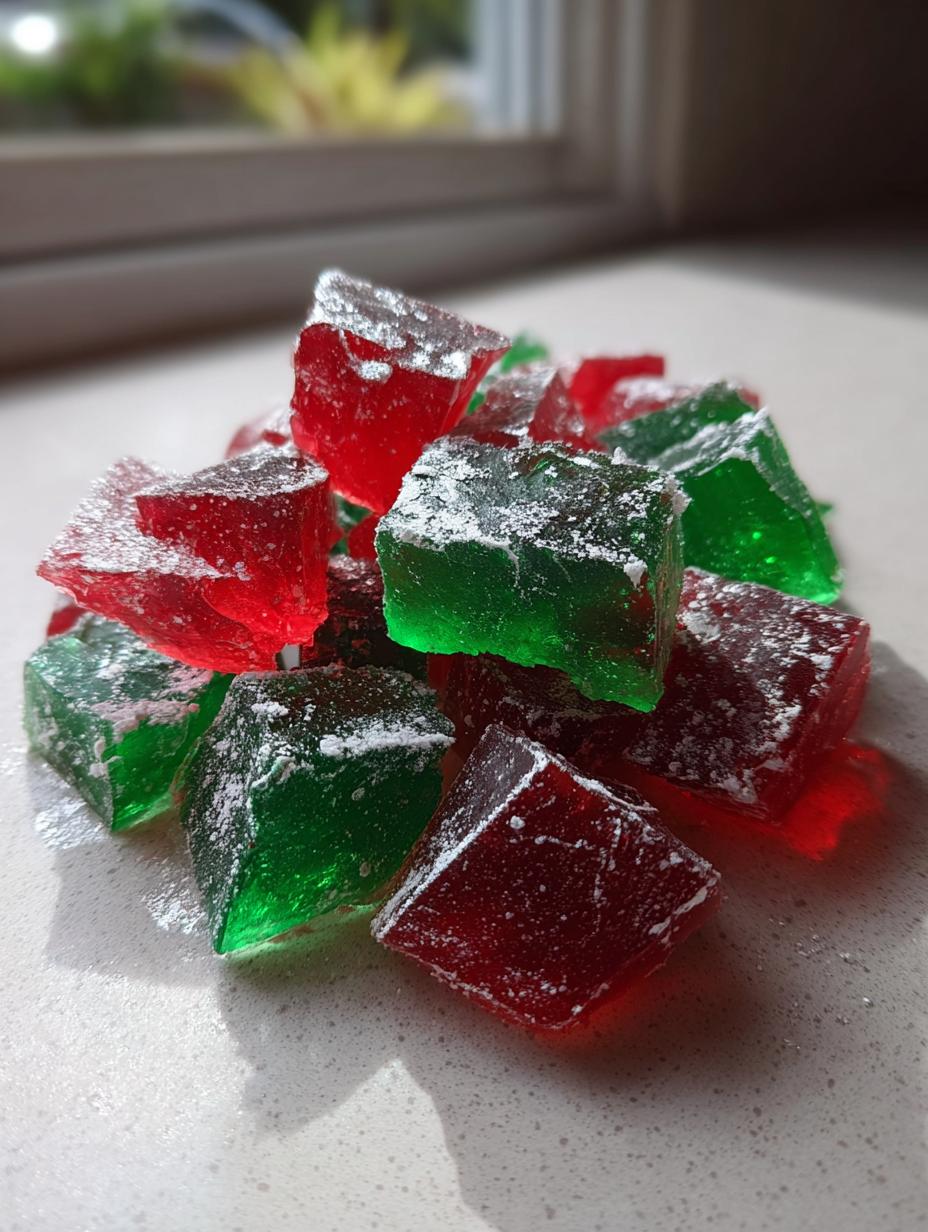
Hard Candy—the kind that shines like stained glass and tastes like pure joy—is what we’re tackling today! It’s always the first thing my kids grab when I pull out my stash, especially when I make a batch of bright green apple or sweet strawberry. Hi, I’m Anna! 👩🍳 Cooking is my passion, and here on Mom’s Kitchen I share simple, delicious recipes that bring joy and warmth to your table. When the days get short and I need a little brightness in the kitchen, making colorful, clear candy is my go-to project. It reminds me of the simple pleasures of childhood, and honestly, if I can master the tricky science behind it, you certainly can too! This recipe delivers that beautiful, shatteringly crisp texture you crave, and it does it without any fuss once you know the temperature secret. Trust me, making this clear, flavored candy is easier than you think.
Why You’ll Love This Hard Candy Recipe
Forget those chalky, store-bought sweets! This recipe is a total game-changer for anyone who loves a sweet, crunchy treat but maybe feels intimidated by candy making. It’s fast, fun, and the results look absolutely professional. You’ll be amazed at how quickly you can turn pantry staples into colorful masterpieces.
- Quick and Beginner-Friendly Hard Candy: Seriously, the active time is less than 20 minutes! If you can boil water and watch a thermometer, you can make this candy. It’s the perfect entry point into the world of sugar work.
- Customizable Flavor Profiles: This is where you get to play! You can use any flavor oil you like—think cinnamon, peppermint, or even root beer. The liquid coloring lets you match the color perfectly to the taste. Red for cherry, blue for blueberry—it’s totally up to you!
Equipment Needed for Perfect Hard Candy
You don’t need a ton of fancy gear for this, but precision matters when you’re dealing with hot sugar. Make sure you have a good, sturdy medium saucepan—nothing too wide, because we need that depth for boiling. The absolute most crucial tool is a reliable candy thermometer. You must hit that magic 300 degrees F mark, so don’t try to guess! Also, grab a rimmed cookie sheet because we need a safe place to pour that molten sugar. Finally, have your offset spatula ready for spreading before the candy sets up too fast.
Assembling Your Hard Candy Ingredients
Okay, now for the fun part: gathering what we need! When making clear candy, every single ingredient has to be pure, or you’ll end up with a cloudy mess instead of that gorgeous, glassy look we want. The ingredients list looks simple, but the quality and the exact measurements really matter here. We are using three main structural components that build the sugar base, and then we add the magic for color and taste.
Here’s exactly what you need to have measured out and ready to go before you even turn on the stove. Remember, once that sugar starts cooking, things move fast!
- 1 cup granulated sugar (just plain white sugar works perfectly here)
- \215 cup water
- \215 cup clear corn syrup
- 42 drops Liquid food coloring (I split this into 22 drops Green and 20 drops Red for my favorite mix, but adjust this!)
- Flavor oil (strawberry or cotton candy are my favorites—use about \215 teaspoon)
- Powdered sugar for coating (we use this later, but have it ready!)
Ingredient Clarity for Best Hard Candy Results
Listen, if you use regular molasses or dark corn syrup, your candy will be brown, not clear! That’s why we insist on the clear corn syrup—it’s necessary for that transparent shine. Also, pay close attention to the food coloring. Using liquid drops is key because they dissolve instantly without leaving streaks. If you use gel coloring, you might end up with thicker spots that won’t mix properly. And when it comes to the flavor oil, use a quality brand. Since we add it off the heat, that potent aroma needs to be strong enough to survive the temperature change!

Step-by-Step Instructions for Homemade Hard Candy
This is where the magic happens, but you have to be focused! The key to great candy is temperature control, so keep that thermometer glued to the side of your pan. Remember, once that sugar mixture starts boiling, you absolutely cannot stir it. Stirring introduces air bubbles, and we want glass, not foam!
Preparing the Surface and Cooking the Syrup
First things first, let’s get the landing pad ready for our hot syrup. Take that rimmed cookie sheet and sift a generous layer of powdered sugar all over the bottom. This prevents sticking later. If you’re using parchment, just lay it down smoothly. Set this aside—we’ll need it fast.
Now, back to the saucepan. Add your measured sugar, water, and clear corn syrup. Stir this very gently, just until everything looks wet and dissolved—make sure there are no dry sugar granules clinging to the bottom of the pan. Once it looks smooth, place it over medium heat. Bring it all up to a rolling boil. As it starts boiling, watch the sides of the pan. If you see any sugar crystals forming on the sides, take a pastry brush dipped in plain water and gently brush them down into the mixture. This is vital! For more on the science behind sugar crystallization, check out this resource on sugar syrups.
Now, stop stirring entirely! Let it boil away until your thermometer reads exactly 300 degrees F. This is the hard crack stage, and it’s non-negotiable for that perfect snap. Don’t let it go past 300°F, or it will start to taste burnt.
Flavoring and Pouring Your Hard Candy
The second you hit 300°F, yank that pan right off the burner! Seriously, pull it away. The residual heat will keep cooking it slightly, so we need to stop the process immediately before adding our flavorings.
Wait about 30 seconds—just a breath—and then carefully add your liquid food coloring and your flavor oil. This is the moment where the aroma fills your kitchen! Mix it quickly and gently with a spoon or heat-safe spatula until the color is uniform. If you mix too much or too vigorously now, you’ll create cloudiness, and we want that crystal-clear shine.

Quickly, pour that beautiful, hot, colored liquid onto your prepared, powdered-sugar-dusted cookie sheet. Use your offset spatula to spread it out fast and evenly before it starts to set up too stiffly. It hardens surprisingly quickly!
Cooling, Breaking, and Coating the Hard Candy
Let the sheet sit undisturbed for at least 30 minutes, or until you can touch it and it feels completely solid and cool to the touch. Don’t rush this part!
Once it’s rock hard, take a pastry brush—a clean, dry one this time—and brush off all that excess powdered sugar that was used for dusting. You want the candy clean before you break it.
Now for the fun, slightly aggressive part: breaking it up! Grab a sturdy mallet or the back of a heavy spoon and gently tap the large sheet of candy. It should shatter beautifully into bite-sized pieces. Don’t smash it into dust, just crack it into manageable shapes. Finally, toss those newly broken pieces in a little more powdered sugar or cornstarch just to coat them lightly so they don’t stick together in the storage jar.
Tips for Success When Making Hard Candy
Candy making feels scientific, and that’s because it is! If you follow a few key rules, you will get professional-looking, clear, shatteringly crisp candy every single time. My biggest frustration when I first started was getting cloudy candy, but once I learned these tricks, I never looked back. It’s all about managing the heat and moisture.
Avoiding Crystallization in Your Hard Candy
The enemy of clear candy is crystallization. Those tiny sugar crystals form on the sides of the pan above the liquid line, and if they fall back into your syrup, the whole batch will turn grainy and opaque. That’s why that step of brushing the sides of the pan down with a wet pastry brush while it’s boiling is so important. It washes away any rogue sugar crystals before they can seed the whole batch. Don’t skip that brush!
Flavor Preservation in Hard Candy
You might be tempted to throw in your flavor oil while the sugar is cooking because it seems easier, but trust me, don’t do it! Flavor oils are highly concentrated, and boiling them at 300 degrees F will burn off all the delicate notes. You need to remove the entire saucepan from the heat source first. Wait that crucial 30 seconds, and then add your flavor. This protects the flavor so you get that vibrant strawberry or cotton candy taste when you finally pop the candy in your mouth.
Storing Your Finished Hard Candy
The biggest danger to your beautiful, glassy creations now is humidity. Sugar loves moisture, and moisture makes hard candy weep, get sticky, and eventually melt back into a sugary puddle. You need to keep these away from steam, high humidity, and definitely avoid the refrigerator!
Once your candy is completely cool and lightly coated in that final dusting of powdered sugar, get it into a container that seals tightly. I prefer glass jars with tight lids for my homemade candy. Stored right, these little jewels will last for weeks! If you want to learn more about food safety and storage, you can check out official guidelines from the FDA.
Hard Candy Storage and Handling Table
| Storage Condition | Expected Duration | Handling Advice |
|---|---|---|
| Airtight Container (Room Temp) | 2-3 Weeks | Keep away from heat sources and direct sunlight. |
| Container with Desiccant Pack | Up to 4 Weeks | Ideal for humid climates; ensure no moisture contact. |
| Refrigerator/Freezer | Not Recommended | Moisture absorption will cause stickiness and melting. |
Frequently Asked Questions About Hard Candy
Whenever I share my clear candy recipes, people always have questions about substitutions, especially around the syrups. It’s a common sticking point, but once you know the rules of sugar science, you’ll be fine! I’ve gathered the most common things I get asked about below.
Can I Substitute the Corn Syrup in Hard Candy?
I really, really advise against substituting the clear corn syrup. Corn syrup is an invert sugar, which means it prevents the regular granulated sugar from crystallizing when it hits high heat. If you swap it for something like honey, it changes the sugar ratio too much, and you’ll likely end up with a sticky mess that won’t reach the hard crack stage properly. Stick to the clear corn syrup for that perfect, clear result.
Why Did My Hard Candy Turn Cloudy?
Cloudiness almost always comes down to one of two things. First, if you stirred the mixture after it started boiling, you introduced air bubbles, trapping them in the sugar matrix. Second, if you added your flavor or color while the syrup was still on the heat, the temperature shock or the burning of the flavor can cause clouding. Remember, always add those extras off the heat!
Understanding the Nutrition in Your Hard Candy
When we talk about homemade sugar candy, we know we aren’t eating health food, but it’s good to have a general idea! Please remember that the exact nutritional breakdown for this hard candy is just an estimate. It changes based on the brand of corn syrup you use and exactly how big you break your pieces. These numbers are based on an average serving size of one small, randomly broken piece.
Tips for Success When Making Hard Candy
Candy making feels scientific, and that’s because it is! If you follow a few key rules, you will get professional-looking, clear, shatteringly crisp candy every single time. My biggest frustration when I first started was getting cloudy candy, but once I learned these tricks, I never looked back. It’s all about managing the heat and moisture.
Avoiding Crystallization in Your Hard Candy
The enemy of clear candy is crystallization. Those tiny sugar crystals form on the sides of the pan above the liquid line, and if they fall back into your syrup, the whole batch will turn grainy and opaque. That’s why that step of brushing the sides of the pan down with a wet pastry brush while it’s boiling is so important. It washes away any rogue sugar crystals before they can seed the whole batch. Don’t skip that brush!
Flavor Preservation in Hard Candy
You might be tempted to throw in your flavor oil while the sugar is cooking because it seems easier, but trust me, don’t do it! Flavor oils are highly concentrated, and boiling them at 300 degrees F will burn off all the delicate notes. You need to remove the entire saucepan from the heat source first. Wait that crucial 30 seconds, and then add your flavor. This protects the flavor so you get that vibrant strawberry or cotton candy taste when you finally pop the candy in your mouth.
Storing Your Finished Hard Candy
The biggest danger to your beautiful, glassy creations now is humidity. Sugar loves moisture, and moisture makes hard candy weep, get sticky, and eventually melt back into a sugary puddle. You need to keep these away from steam, high humidity, and definitely avoid the refrigerator!
Once your candy is completely cool and lightly coated in that final dusting of powdered sugar, get it into a container that seals tightly. I prefer glass jars with tight lids for my homemade candy. Stored right, these little jewels will last for weeks!
Hard Candy Storage and Handling Table
| Storage Condition | Expected Duration | Handling Advice |
|---|---|---|
| Airtight Container (Room Temp) | 2-3 Weeks | Keep away from heat sources and direct sunlight. |
| Container with Desiccant Pack | Up to 4 Weeks | Ideal for humid climates; ensure no moisture contact. |
| Refrigerator/Freezer | Not Recommended | Moisture absorption will cause stickiness and melting. |
Frequently Asked Questions About Hard Candy
Whenever I share my clear candy recipes, people always have questions about substitutions, especially around the syrups. It’s a common sticking point, but once you know the rules of sugar science, you’ll be fine! I’ve gathered the most common things I get asked about below regarding making this homemade hard candy.
Can I Substitute the Corn Syrup in Hard Candy?
I really, really advise against substituting the clear corn syrup. Corn syrup is an invert sugar, which means it prevents the regular granulated sugar from crystallizing when it hits high heat. If you swap it for something like honey, it changes the sugar ratio too much, and you’ll likely end up with a sticky mess that won’t reach the hard crack stage properly. Stick to the clear corn syrup for that perfect, clear result.
Why Did My Hard Candy Turn Cloudy?
Cloudiness almost always comes down to one of two things. First, if you stirred the mixture after it started boiling, you introduced air bubbles, trapping them in the sugar matrix. Second, if you added your flavor or color while the syrup was still on the heat, the temperature shock or the burning of the flavor can cause clouding. Remember, always add those extras off the heat!
Understanding the Nutrition in Your Hard Candy
Now, while this homemade hard candy is a pure joy to make and eat, we all know it’s mostly sugar! I want to be super clear here: the nutritional information I listed upfront is just a general ballpark estimate. Because we are working with basic sugar, corn syrup, and a tiny bit of oil, the numbers are pretty straightforward, but they can shift depending on the exact brand of corn syrup or how much coating sugar you use. Consider this a fun treat, not a health food, okay? If you are interested in learning more about the chemistry of sugar, you can explore resources on chemical societies.
Print
3 Amazing Hard Candy Secrets Revealed
- Total Time: 40 minutes
- Yield: Varies based on piece size
- Diet: Vegetarian
Description
Make clear, flavored hard candy at home using sugar, corn syrup, and food coloring. This recipe yields colorful, breakable pieces perfect for storage.
Ingredients
- 1 cup granulated sugar
- ⅓ cup water
- ⅓ cup clear corn syrup
- 42 drops Liquid food coloring (22 drops Green, 20 drops Red)
- Flavor oil (strawberry, cotton candy, etc.)
- Powdered sugar for coating
Instructions
- Sift powdered sugar over the bottom of a rimmed cookie sheet or line with parchment paper. Set aside.
- In a medium saucepan, add the granulated sugar, water, and corn syrup. Stir gently until all ingredients dissolve and no sugar sticks to the bottom.
- Place the saucepan over medium heat and bring the mixture to a boil.
- Let the mixture boil without stirring until it reaches 300 degrees F.
- Remove the saucepan from the heat once it reaches 300 degrees F.
- Wait 30 seconds, then add the food coloring and flavor oil (about ¼ teaspoon).
- Mix well until the candy mixture is uniform in color.
- Pour the mixture onto the prepared cookie sheet and quickly spread it evenly with an offset spatula.
- Sift more powdered sugar evenly over the top of the hot candy.
- Let the candy set for at least 30 minutes, or until fully hardened.
- Use a pastry brush to brush off the excess sugar.
- Use a mallet to break the hardened candy into bite-sized pieces.
- Store the pieces in an airtight container.
Notes
- Store candy in an airtight container at room temperature, away from humidity.
- You can prepare this candy 2-3 weeks ahead if stored correctly.
- Do not stir the sugar mixture once it has started boiling.
- Brush down the sides of the pan with a wet pastry brush during boiling to prevent sugar crystals from forming.
- Remove the mixture from heat promptly at 300°F, allowing for residual heat.
- Add flavor oils off the heat so the flavor does not evaporate.
- Avoid excessive stirring after adding color to prevent cloudiness.
- Toss the cooled candy pieces in powdered sugar or cornstarch before storing.
- Avoid reheating or freezing the candy; moisture makes it sticky.
- Prep Time: 10 minutes
- Cook Time: 15 minutes
- Category: Candy
- Method: Boiling/Starch Conversion
- Cuisine: American
Nutrition
- Serving Size: 1 piece (approximate)
- Calories: 22kcal
- Sugar: 6g
- Sodium: 2mg
- Fat: 0.02g
- Saturated Fat: 0.02g
- Unsaturated Fat: Trace
- Trans Fat: 0g
- Carbohydrates: 6g
- Fiber: 0g
- Protein: 0g
- Cholesterol: 0mg