Skip to content
No heading needs to be written for the introduction.
Hi, I’m Anna! 👩🍳 Cooking is my passion, and here on Mom’s Kitchen I share simple, delicious recipes that bring joy and warmth to your table. Whether you love spending time in the kitchen or you’re just looking for easy ideas for everyday meals, I’m so happy to inspire you with my recipes. Thank you for being part of this flavorful journey! 💛
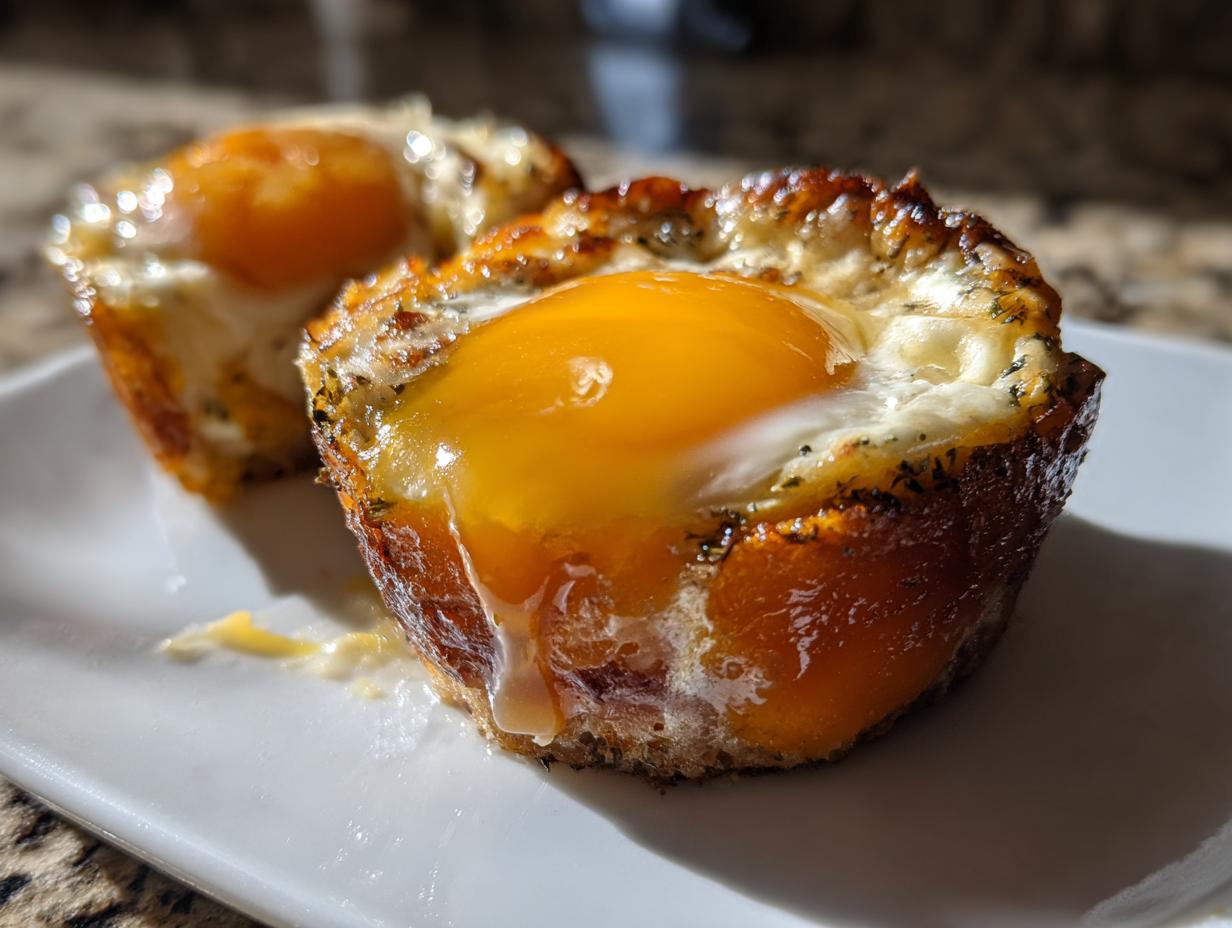
When I first started cooking, I thought brunch had to be complicated—lots of fussy steps and ingredients I couldn’t pronounce. It took me years to realize that the best food is often the easiest food, especially when the season changes and you want something comforting fast. That’s why I’m obsessed with sharing recipes like these incredible Pumpkin and Sage Baked Eggs. They taste like you spent all morning fussing over them, but really, they come together in less than 30 minutes!
Why This Recipe Fits Your Busy Life
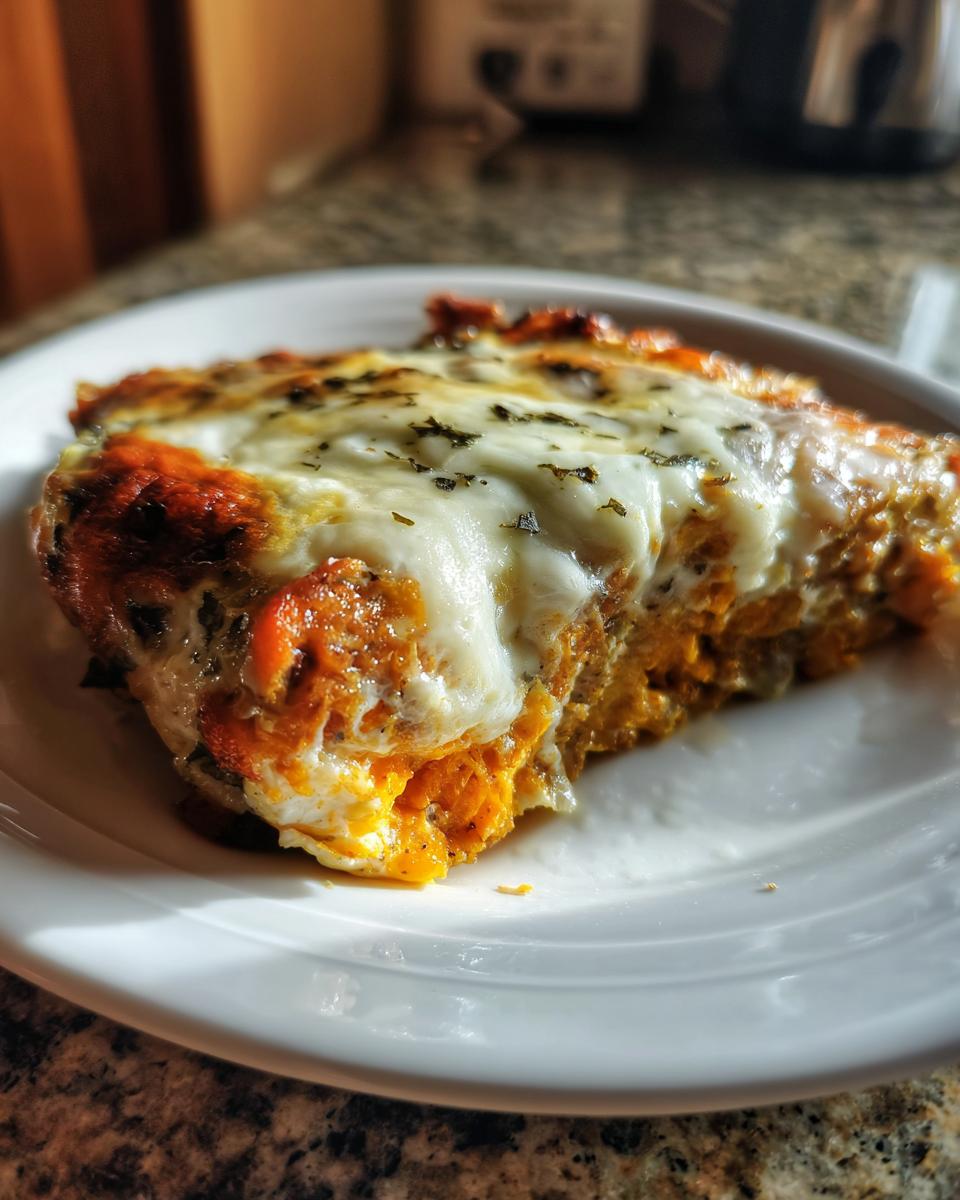
If your mornings feel rushed but you still crave something better than cereal, this is your answer. Seriously, this recipe for Pumpkin and Sage Baked Eggs solves the weeknight dinner dilemma too! You toss the veggies and cheese in the dish, crack the eggs right on top, and let the oven do all the heavy lifting.
It’s vegetarian, it’s packed with real fall flavor from the pumpkin and sage, and cleanup is minimal because everything bakes right in one dish. It’s quick prep (10 minutes!) and fast baking time. It’s the perfect simple, savory breakfast that tastes like a holiday treat.
Gathering What You Need for Pumpkin and Sage Baked Eggs
When you’re making something as wonderfully savory and easy as these Pumpkin and Sage Baked Eggs, the quality of your ingredients really shines through. Since this dish is so simple—we’re only using about eight main things—we don’t want any weak links! I always make sure my pumpkin is tender, not mushy, and that the sage smells bright. This is the kind of recipe where having good stuff makes all the difference in that final, comforting bite.
Don’t stress about finding exotic ingredients, though; everything here is pretty standard for fall cooking. Just make sure you’ve got a nice, oven-safe dish ready to go before you start sautéing. It’s all about setting yourself up for success early on! If you want to learn more about general kitchen safety, you can check out resources on food safety guidelines.
Essential Ingredients for Pumpkin and Sage Baked Eggs
- 1 tablespoon butter (I use unsalted, but salted works fine if you watch the added salt!)
- 1 1/2 cups pumpkin cubes, peeled and diced into pieces about 1/2 inch thick
- 1/2 medium yellow onion, thinly sliced
- 1/2 teaspoon salt (or to taste)
- 1/4 teaspoon freshly cracked black pepper
- 1/4 teaspoon dried sage (or 1 teaspoon fresh, finely chopped—see my notes below!)
- 1/4 cup grated cheese (Sharp cheddar or Gruyère works wonderfully here)
- 6 large eggs
- 2 tablespoons heavy cream
Equipment List for Perfect Pumpkin and Sage Baked Eggs
For this batch of Pumpkin and Sage Baked Eggs, you don’t need much fancy gear, thankfully. You’ll need a small skillet for the first step, a sturdy mixing spoon, and most importantly, a baking dish that can hold about six eggs comfortably without them touching too much. Make sure your dish is oven-safe!
Step-by-Step Guide to Pumpkin and Sage Baked Eggs
Okay, now for the fun part! This is where everything comes together so quickly. The best part about these Pumpkin and Sage Baked Eggs is that the base cooks on the stovetop while the oven preheats, so you’re barely waiting at all. Just follow these steps, and you’ll have a stunning brunch ready in no time.
Preparing the Pumpkin Base
First things first, get that oven going! You want it humming along at 375°F (190°C) before you even think about cracking an egg. A hot oven means even baking, which is crucial for creamy yolks.
Next, grab your skillet. Melt that tablespoon of butter over medium heat. Once it’s shimmering, toss in your diced pumpkin cubes and the sliced onion. You’re going to sauté these together for about 5 to 7 minutes. We aren’t trying to caramelize them completely; we just want them fork-tender. Give them a good stir every minute or so so nothing sticks to the bottom of the pan.
Once the pumpkin is softened—you can easily pierce a cube with a fork—it’s time for the flavor bombs! Sprinkle in your seasonings: 1/2 teaspoon of salt, 1/4 teaspoon of black pepper, and that lovely 1/4 teaspoon of dried sage. Stir that all around so those aromas start waking up! Now, turn off the heat and quickly stir in that 1/4 cup of grated cheese until it’s just melted and gooey throughout the mixture. That cheesy coating helps keep the pumpkin moist while it bakes!
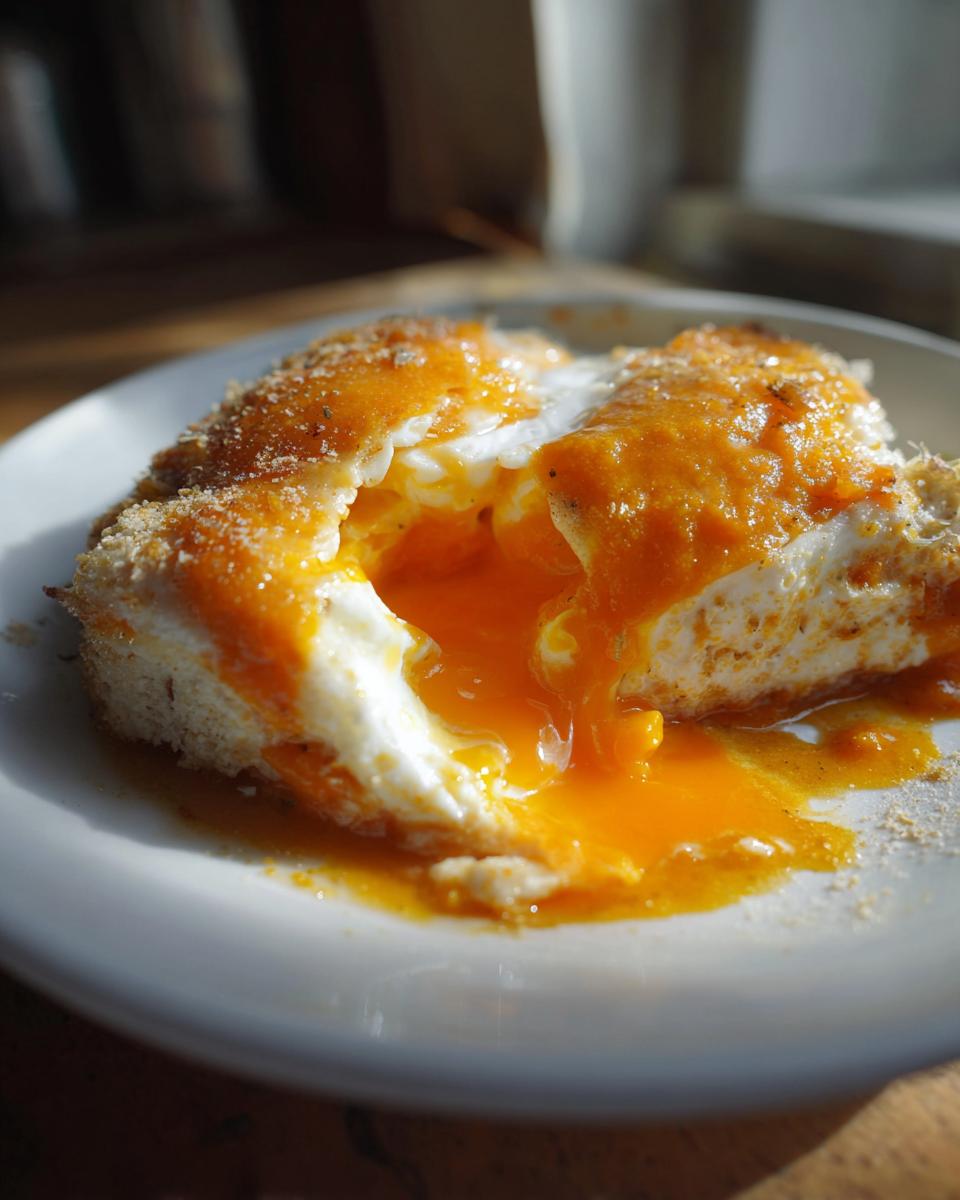
Assembling and Baking Your Pumpkin and Sage Baked Eggs
Time to move things into the baking dish. Spread that warm, seasoned pumpkin and onion mixture evenly across the bottom of your dish. Now, this is important: use the back of a spoon or your finger to create six distinct little dips or “wells” in the mixture. These wells are going to cradle your eggs perfectly, stopping them from running all over the place.
Carefully crack one egg directly into each well. Try your best not to break the yolks! If you’re nervous about cracking eggs directly over the dish, crack them one at a time into a small prep bowl first, then gently pour them into their assigned spot. Trust me, nobody wants an egg white volcano.
Once all six eggs are nestled in, take your 2 tablespoons of heavy cream and drizzle it evenly around the eggs—it’s not meant to drown them, just add a little richness to the surrounding mixture. Pop the whole dish into that preheated 375°F oven.
Set your timer for 10 minutes. For these Pumpkin and Sage Baked Eggs, you’ll check them around the 10-minute mark. If you like your yolks quite runny, pull them out then. If you prefer them slightly firmer, give them another minute or two, but be careful not to overbake! You want the whites set but the yolks still jiggly. When they look perfect, pull them out and let them cool for just a minute before serving immediately.
Tips for Success with Pumpkin and Sage Baked Eggs
I always tell people that baking eggs is just as much about the dish you choose as it is about the timing. For these Pumpkin and Sage Baked Eggs, make sure your baking dish isn’t too big! If the pumpkin mixture spreads too thinly, the eggs will cook way too fast and you’ll end up with hard yolks when you were aiming for runny.
Also, let’s talk herbs. If you use fresh sage instead of dried, you need to use about three times as much—I’d say a full teaspoon, finely chopped. Fresh sage has a much brighter, cleaner flavor that really cuts through the richness of the pumpkin and cheese. Remember, the baking time is just a guideline; always check for that slight jiggle in the center before you pull them out. Practice makes perfect with baked eggs! If you’re interested in learning more about the nutritional benefits of eggs, you can check out reputable sources on Harvard T.H. Chan School of Public Health.
Creative Variations for Savory Baked Eggs
While the combination of pumpkin and sage is truly autumnal perfection, these baked eggs are so versatile! If you’re making these outside of squash season, or just want to mix things up, don’t be afraid to swap out the main players. Spinach is always a winner; wilt about a cup of fresh spinach down with the onions before adding the pumpkin.
For different aromatic notes, try swapping the sage for fresh thyme—it has a lovely earthy quality that works just as well with the pumpkin. If you want a bit more heat, a pinch of red pepper flakes sautéed with the butter wakes everything right up. You can even add finely diced, pre-cooked mushrooms for an extra layer of savory depth. Keep the cheese, though; it really helps glue everything together!
Frequently Asked Questions About Pumpkin and Sage Baked Eggs
I get so many questions once people start trying these out, which just proves how much everyone loves a good savory breakfast! Here are the few things folks ask me most often about making these Pumpkin and Sage Baked Eggs perfectly every time.
Q1. How do I know exactly when my eggs are done?
This is the biggest question! For the runniest yolks, pull them out right around 10 minutes, but watch the whites—they should look completely set, not watery. If you prefer medium yolks, aim for 12 minutes, but check them gently with a knife tip. If you see any wet batter, give it one more minute.
Q2. Can I skip the onion entirely?
You certainly can, but I highly recommend keeping some sort of allium in there! The onion softens down and adds a necessary sweetness that balances the sage. If you hate onions, try using a shallot instead, which is milder, or even a tablespoon of finely minced chives stirred in right at the end with the cream.
Q3. What if I don’t have pumpkin puree, only canned pumpkin?
Wait just a second! This recipe calls for cubed fresh pumpkin that we sauté until tender, not pumpkin puree, which is used for pies. Puree will turn your base into a mushy sauce, which isn’t what we want for these Pumpkin and Sage Baked Eggs. Make sure you use firm, diced pumpkin pieces!
Q4. Can I make the pumpkin base ahead of time?
Yes, that’s a great time-saver! You can sauté the pumpkin, onion, and spices, and stir in the cheese (Step 3) a day ahead. Keep it covered in the fridge. When you’re ready to bake the next morning, just spread it in the dish, make your wells, add the eggs and cream, and add about 2-3 extra minutes to the baking time since the base will be cold. If you’d like to know more about meal prepping in general, feel free to check out my About Me page for general cooking philosophy!
Storing and Reheating Your Pumpkin and Sage Baked Eggs
These savory baked eggs are truly best eaten fresh out of the oven, but leftovers happen! If you have any Pumpkin and Sage Baked Eggs remaining, you can store them in an airtight container in the refrigerator for up to three days. Make sure the dish has completely cooled before sealing it up, though.
Reheating can be a little tricky because we want to keep those yolks creamy, not rubbery. Forget the microwave if you can! The best way to revive them is in a low oven, around 300°F (150°C). Place the serving (or the whole dish) on a baking sheet and warm it gently for about 8 to 10 minutes. This slow heat warms the pumpkin base nicely and gently coaxes the egg back to temperature without turning the yolk into concrete. If you must use the microwave, use short 20-second bursts and keep an eye on those yolks!
Sharing Your Pumpkin and Sage Baked Eggs Experience
I just love seeing how you all bring these recipes to life in your own kitchens! If you tried making these Pumpkin and Sage Baked Eggs, please let me know how they turned out. Did you stick to the sage or try the thyme? Leave a rating below so other folks know how much you loved this easy brunch! For more information on site usage, please review the privacy policy.
Don’t forget to snap a picture and tag me when you share them on social media. Happy cooking, friends!
Print
Amazing 6 Pumpkin and Sage Baked Eggs
- Total Time: 25 minutes
- Yield: 6 servings 1x
- Diet: Vegetarian
Description
This Pumpkin and Sage Baked Eggs recipe offers a warm, savory breakfast or brunch option perfect for a crisp autumn morning. It combines tender pumpkin, aromatic sage, and creamy eggs baked together for a simple, satisfying dish.
Ingredients
- 1 tbsp butter
- 1 1/2 cups pumpkin cubes
- 1/2 onion, sliced
- 1/2 tsp salt
- 1/4 tsp black pepper
- 1/4 tsp dried sage
- 1/4 cup grated cheese
- 6 eggs
- 2 tbsp cream
Instructions
- Preheat your oven to 375°F (190°C).
- Sauté the pumpkin cubes and sliced onion in the butter until they become tender.
- Season the pumpkin and onion mixture with salt, black pepper, and dried sage. Stir in the grated cheese.
- Distribute this mixture into your baking dish, making six small wells for the eggs.
- Carefully crack one egg into each well.
- Pour the cream evenly around the eggs.
- Bake for 10 to 12 minutes, or until the eggs reach your desired doneness.
Notes
- You can substitute fresh sage for dried sage; use about 1 teaspoon finely chopped fresh sage.
- Use a baking dish that is large enough to hold the ingredients without overcrowding.
- Adjust baking time based on how runny you prefer your yolks.
- Prep Time: 10 minutes
- Cook Time: 15 minutes
- Category: Breakfast
- Method: Baking
- Cuisine: American
Nutrition
- Serving Size: 1 serving (1 egg)
- Calories: 180
- Sugar: 4g
- Sodium: 250mg
- Fat: 13g
- Saturated Fat: 7g
- Unsaturated Fat: 6g
- Trans Fat: 0.3g
- Carbohydrates: 10g
- Fiber: 2g
- Protein: 8g
- Cholesterol: 185mg