Skip to content
No heading needs to be written for the introduction.
Homemade Pasta: The Secret to Weeknight Flavor
If you think making incredible, restaurant-quality homemade pasta means hunting down specialty ingredients or spending hours at the counter, I’m here to change your mind! This recipe is all about transformation. We take literally just flour and eggs and turn them into silken strands of flavor that will completely revolutionize your Tuesday night dinner routine. Trust me, once you taste the difference fresh makes, you’ll never go back to the boxed stuff.
Hi, I’m Anna! 👩🍳 Cooking is my passion, and here on Mom’s Kitchen I share simple, delicious recipes that bring joy and warmth to your table. Whether you love spending time in the kitchen or you’re just looking for easy ideas for everyday meals, I’m so happy to inspire you with my recipes. Thank you for being part of this flavorful journey! 💛.
I’ve spent years perfecting this technique because I believe the best meals start with the purest ingredients. This super simple egg pasta dough is the foundation for everything—fettuccine, ravioli, cannelloni—you name it! It’s shockingly fast, too. You’ll be amazed how quickly you can go from pantry staples to a glorious plate of fresh pasta.
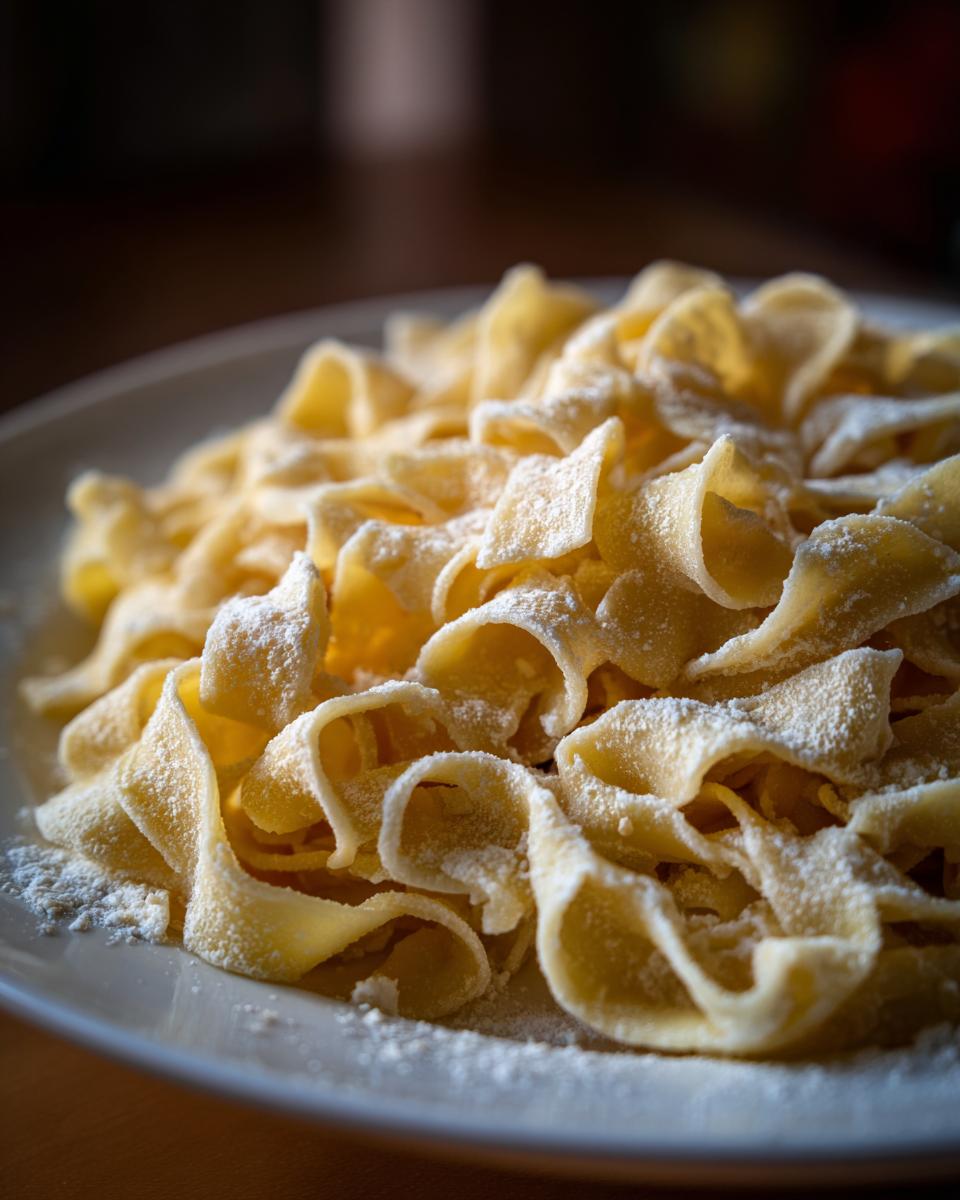
Why You’ll Love This Homemade Pasta
Honestly, this recipe is a game-changer for busy cooks like me. It’s the kind of magic that feels complicated but is actually incredibly straightforward. You get superior taste without needing a fancy pantry stocked with Italian imports. It’s all about that fresh texture!
- The prep time is shockingly fast—you’ll have the dough mixed before your water even starts boiling.
- You only need two main ingredients: flour and eggs. That’s it!
- The flavor and tender bite of fresh homemade pasta blows the dried stuff out of the water every single time.
- It’s fantastic for meal prepping since you can freeze any extras easily.
Ingredients for Perfect Homemade Pasta
When you are working with just flour and eggs to make your homemade pasta, the quality really shines through. Make sure your flour is fresh—I usually keep mine in an airtight container. We use all-purpose flour here because it gives us the perfect balance of structure and tenderness for our egg noodles. No need for fancy semolina for this version; we keep it beautifully simple!
Equipment Needed for Homemade Pasta
You don’t need a huge, expensive machine to make wonderful homemade pasta. I usually rely on my trusty stand mixer because it saves my arms during the kneading, but that dough hook is doing all the heavy lifting! If you are going fully traditional, you’ll need a strong arm!
- Stand Mixer with a Dough Hook (Optional, but helpful!)
- A good, sturdy Rolling Pin
- A sharp knife or bench scraper for cutting
- Plenty of surface area dusted with flour
Step-by-Step Instructions for Homemade Pasta
Okay, let’s get our hands dirty! This is where the action happens, and I promise it’s more fun than you think. We’re going through the stages of making beautiful, pliable dough that is destined to become amazing homemade pasta. Don’t rush the resting phase, though; that’s crucial for texture later on!
Mixing and Kneading the Dough
Start by piling your flour right onto your counter if you’re going old-school, or pop it right into your mixer bowl. If you’re using a stand mixer, add your four large eggs right into the center of that flour mound. Start mixing on the lowest speed using the dough hook attachment. It’s going to look messy and shaggy at first—that’s normal! Keep going until it just starts to clump together into a rough ball. If it seems too dry and won’t come together, add just a tiny splash of water, maybe a teaspoon at a time. If it’s sticky, dust in a little more flour. Once it’s vaguely together, crank that mixer up to medium and let the dough hook work for a full five minutes. You are looking for a dough that feels smooth and elastic when you touch it. If you are kneading by hand, this will take about 8 to 10 minutes of vigorous pushing and folding, but it’s a great workout!
Resting and Shaping Your Homemade Pasta
Once your dough is smooth, wrap that beautiful ball up super tight in plastic wrap. It needs a nap! Pop it into the fridge for at least 30 minutes. This resting time lets the gluten relax, which means you won’t fight it when you try to roll it out later. Time flies, so use this 30 minutes to get your water boiling and your sauce ready!
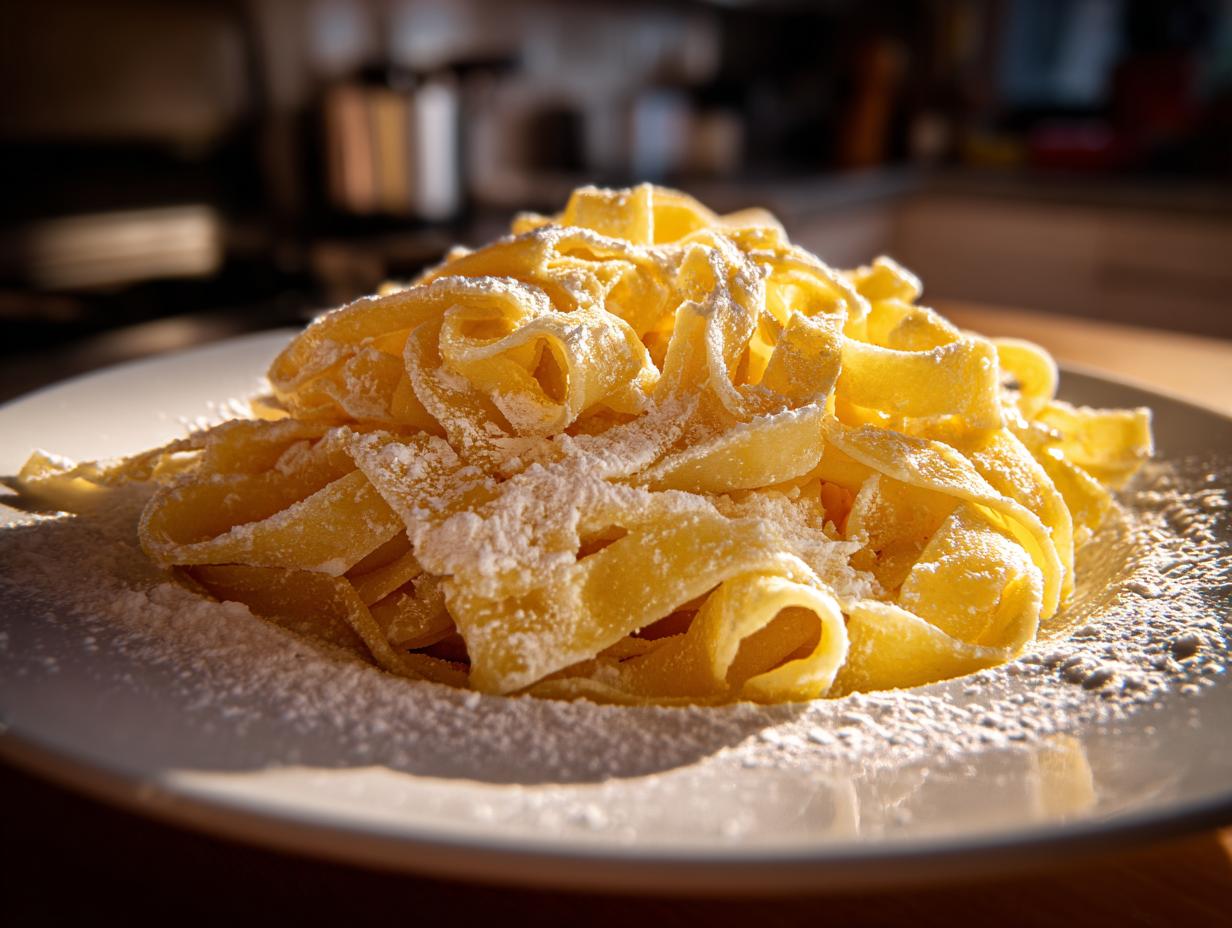
When the time is up, divide the dough into four manageable pieces—don’t try to roll it all at once. Lightly flour your work surface. Now, roll, roll, roll! You want it paper thin. If you’re cutting it into tagliatelle, I like to roll the sheet loosely into a flat log, then slice it about a half-inch wide. Unroll those ribbons immediately and dust them generously with flour so they don’t fuse back together while you work on the rest of the dough. This flour dusting is the secret to perfect, separate strands of homemade pasta!
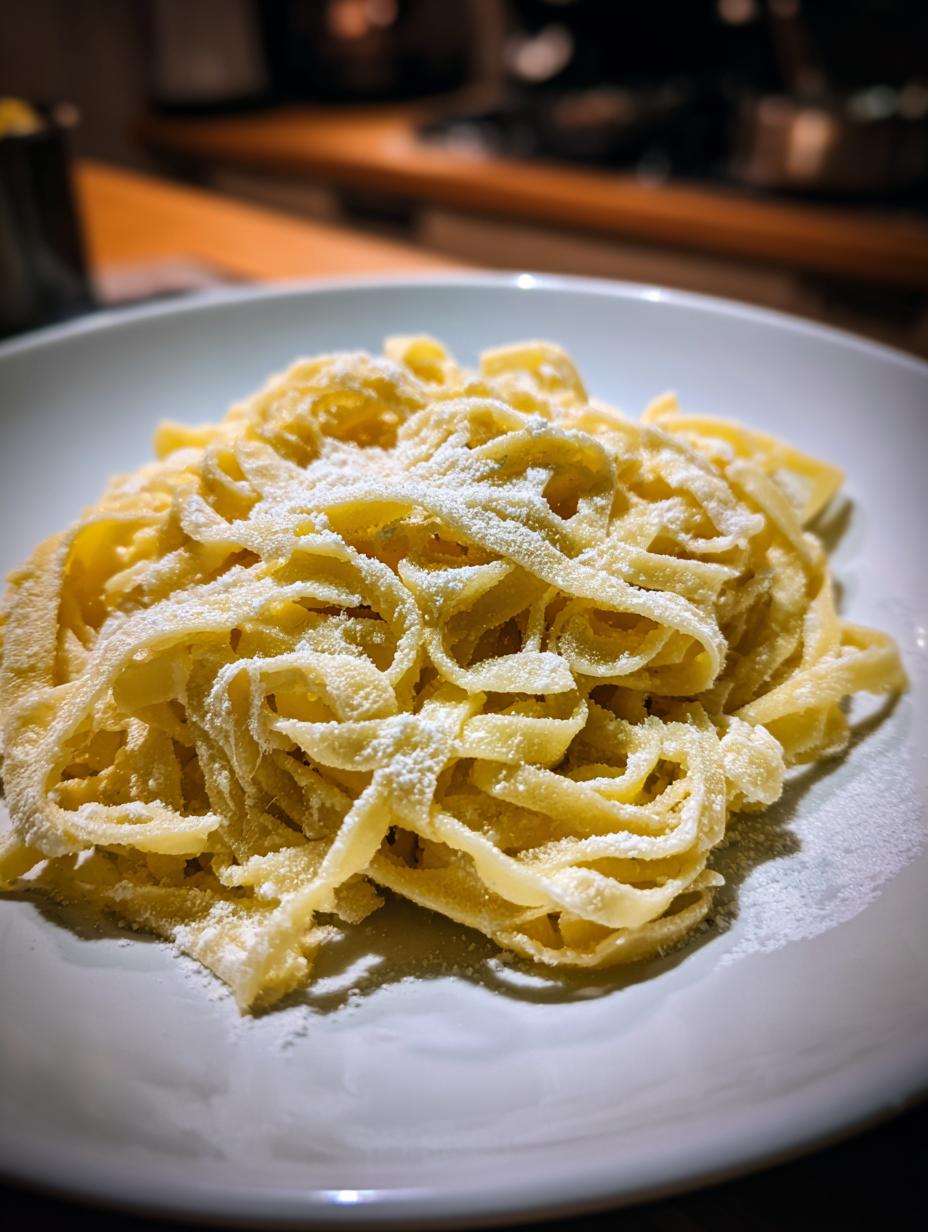
Tips for Success with Homemade Pasta Dough
Making homemade pasta is easy, but you have to respect the dough! My biggest piece of advice is to trust your hands over the clock sometimes. If the dough feels too stiff when you try to roll it out after resting, don’t force it. Just let it sit on the counter, covered with a towel, for another 10 minutes. Fighting stiff dough leads to tearing, and nobody wants torn lasagna sheets!
Stickiness is the usual culprit. If your dough is sticking to your hands or the counter while rolling, it means you need more flour on your surface, not necessarily more flour in the dough itself. Keep a small bowl of flour right next to you and dust lightly, constantly. Remember, you want the dough to feel slightly tacky, but not wet.
When you’re rolling thin, especially if you don’t have a machine, try rolling in different directions. Roll top to bottom, then turn the dough 90 degrees and roll again. This keeps the sheet even. Achieving that paper-thin quality is what makes fresh homemade pasta so delicate and superior to anything store-bought. It’s worth the little bit of elbow grease!
Storing and Reheating Your Homemade Pasta
Don’t feel like you have to cook every single strand of homemade pasta right away! This dough freezes like a dream, which is perfect for stocking up for busy weeks. If you plan to use it within a couple of days, the fridge works just fine, but you absolutely must keep everything well-floured.
If you’re freezing it, make sure those little nests of tagliatelle or your cut squares are completely separated and dusted heavily with flour before bagging them up. This prevents them from turning into one giant, unusable pasta brick! Cooking frozen pasta takes just a minute or two longer than fresh, so keep an eye on it.
Storage Guidelines Table
| Storage Method | Duration | Requirement |
|---|---|---|
| Refrigeration | 2–3 Days | Well-floured, kept in an airtight container |
| Freezing | Up to 1 Month | Heavily dusted with flour, placed in freezer bags |
| Drying | Up to 1 Month | Left out at room temperature until completely brittle |
Frequently Asked Questions About Homemade Pasta
I get so many questions once people start making their own pasta, and that’s wonderful! It means you’re diving right in. Here are some of the most common things I hear about getting the dough just right and serving up that beautiful homemade pasta.
Can I make Homemade Pasta without a stand mixer?
Absolutely, yes! My grandmother certainly didn’t have a stand mixer when she started making her egg pasta. If you’re skipping the machine, pile your flour onto a large, clean counter space, make a well in the middle, and crack the eggs in there. Use a fork to gently whisk the eggs, slowly incorporating the flour from the inner walls of the well until it forms a shaggy mass. Then, it’s all about elbow grease! Knead it firmly for about 8 to 10 minutes until it’s smooth. It’s a bit more work, but the result is the same wonderful homemade pasta dough.
What is the best sauce pairing for fresh Homemade Pasta?
Since fresh pasta cooks so quickly and has such a delicate, rich flavor from the eggs, you want to keep the sauce simple so you can really taste the noodle! For a very simple preparation, just brown butter and sage is heavenly. If you want something heartier, a classic Bolognese or a simple, bright lemon-butter sauce lets the texture of the fresh pasta shine through.
How do I know if my fresh Homemade Pasta is cooked?
Because it’s so thin, fresh pasta cooks incredibly fast—usually only 2 to 3 minutes! Don’t walk away from the pot. The moment the pasta floats to the surface, it’s generally done. You can pull one out and taste it; it should be tender but still have a slight, pleasant chew to it. That’s al dente perfection for your homemade pasta!
Nutritional Overview of Homemade Pasta
When we talk about simple recipes, we love that this homemade pasta keeps things straightforward in the nutrition department, too! Remember that these numbers are just estimates based on the flour and eggs listed. Your final counts might change slightly depending on the exact brands you use, but this gives you a great baseline for planning your meals! If you are interested in learning more about the general nutritional composition of flour, you can check out resources from the USDA FoodData Central.
Estimated Nutritional Information Table
| Nutrient | Amount Per Serving |
|---|---|
| Calories | 288 |
| Carbohydrates | 52g |
| Protein | 11g |
| Fat | 3g |
Share Your Homemade Pasta Creations
I really want to see what wonderful sauces you pair with your fresh noodles! Did you try making ravioli or stick to the tagliatelle? Please leave a rating below—it helps other cooks know this recipe is a winner. And if you snapped a picture of your beautiful plate of homemade pasta, tag me on social media! I love seeing the joy you bring to your tables.
Share Your Homemade Pasta Creations
I really want to see what wonderful sauces you pair with your fresh noodles! Did you try making ravioli or stick to the tagliatelle? Please leave a rating below—it helps other cooks know this recipe is a winner. And if you snapped a picture of your beautiful plate of homemade pasta, tag me on social media! I love seeing the joy you bring to your tables.
Print
Amazing 2-Ingredient Homemade Pasta Secret
- Total Time: 50 minutes
- Yield: 6 Servings 1x
- Diet: Vegetarian
Description
Learn how to make fresh homemade pasta from scratch with just flour and eggs. Quick, simple, and perfect for weeknight dinners or meal prep.
Ingredients
- 3 1/4 cups all-purpose flour
- 4 large eggs
- Additional flour for dusting
Instructions
- Place the flour in a large mixing bowl or the bowl of a stand mixer.
- Add the eggs to the flour. Mix on low speed with a dough hook until a rough dough forms, adding a splash of water if too dry or a sprinkle of flour if too sticky.
- Increase the speed to medium and knead for 5 minutes until the dough is smooth and elastic.
- Wrap the dough tightly in plastic wrap and refrigerate for at least 30 minutes.
- Divide the dough into four equal pieces. Lightly flour your work surface and roll each piece as thin as possible.
- Cut the dough into desired shapes: rectangles for lasagna, squares for ravioli, or 1/2 inch strips for tagliatelle. Dust the cut pasta with flour to prevent sticking.
- For tagliatelle, loosely roll the dough before slicing, then gently separate the strands.
- Bring a large pot of salted water to a boil. Add the pasta and cook for 3 minutes until it floats to the top and is tender.
- Drain the pasta and serve immediately with your favorite sauce.
Notes
- Make sure every piece of pasta is well-floured to prevent sticking during storage or cooking.
- Optional: To store, refrigerate for 2-3 days, freeze with a dusting of flour, or dry completely for up to a month.
- Prep Time: 20 minutes
- Cook Time: 30 minutes
- Category: Main Dish
- Method: Kneading and Boiling
- Cuisine: Italian
Nutrition
- Serving Size: 1 serving
- Calories: 288
- Sugar: N/A
- Sodium: N/A
- Fat: 3g
- Saturated Fat: N/A
- Unsaturated Fat: N/A
- Trans Fat: N/A
- Carbohydrates: 52g
- Fiber: N/A
- Protein: 11g
- Cholesterol: N/A