Skip to content
Hi, I’m Anna! 👩🍳 Cooking is my passion, and here on Mom’s Kitchen I share simple, delicious recipes that bring joy and warmth to your table. Whether you love spending time in the kitchen or you’re just looking for easy ideas for everyday meals, I’m so happy to inspire you with my recipes. Thank you for being part of this flavorful journey! 💛
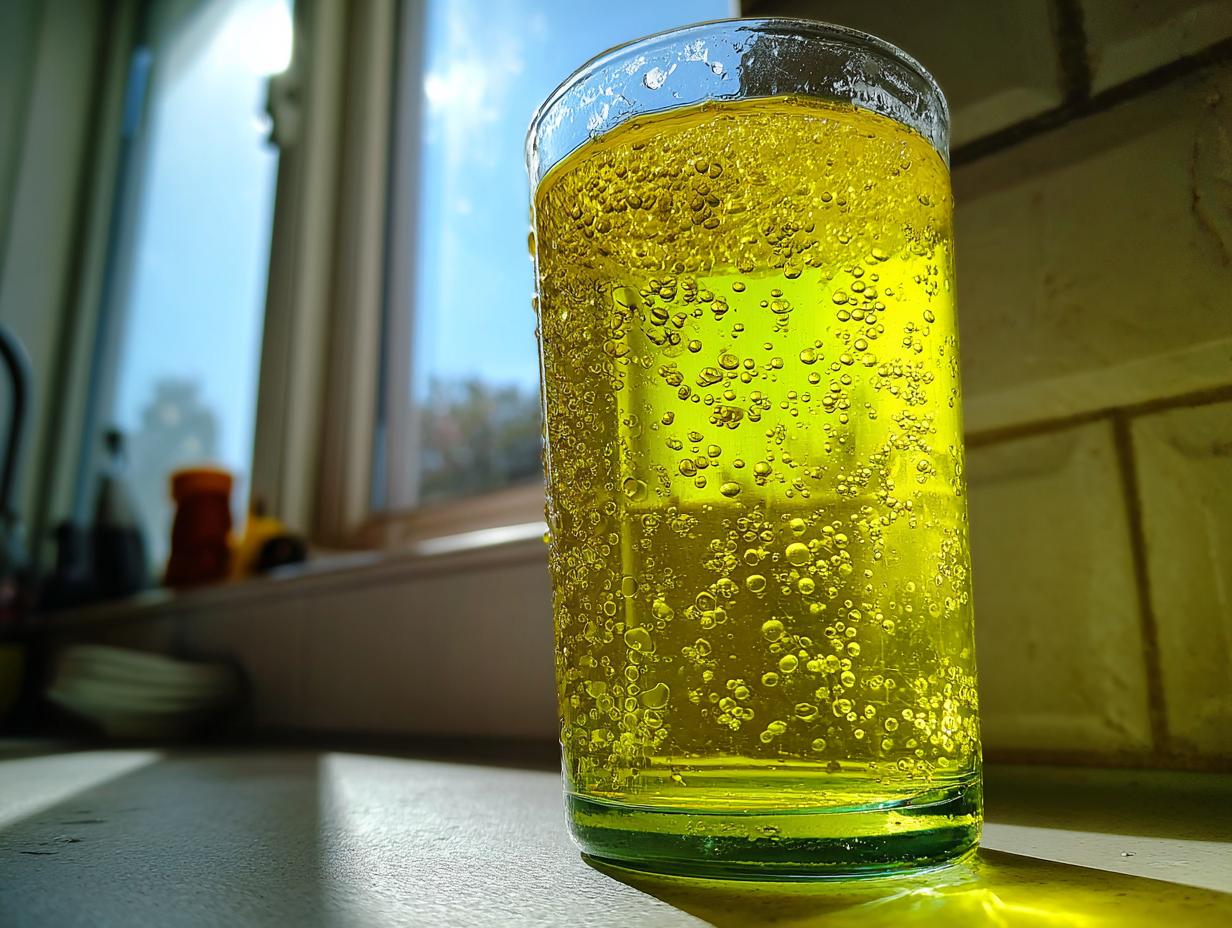
Making your own Italian digestif might sound fancy, but I promise you, this Limoncello recipe is shockingly easy. Seriously, if you can peel a lemon and wait patiently, you can make authentic homemade limoncello! This recipe is all about letting simple, bright ingredients do the heavy lifting. I’m sharing my best tips here so you can skip the confusion and jump straight to sipping that gorgeous, ice-cold liqueur. Trust me, once you taste this, you won’t buy the store brand again.
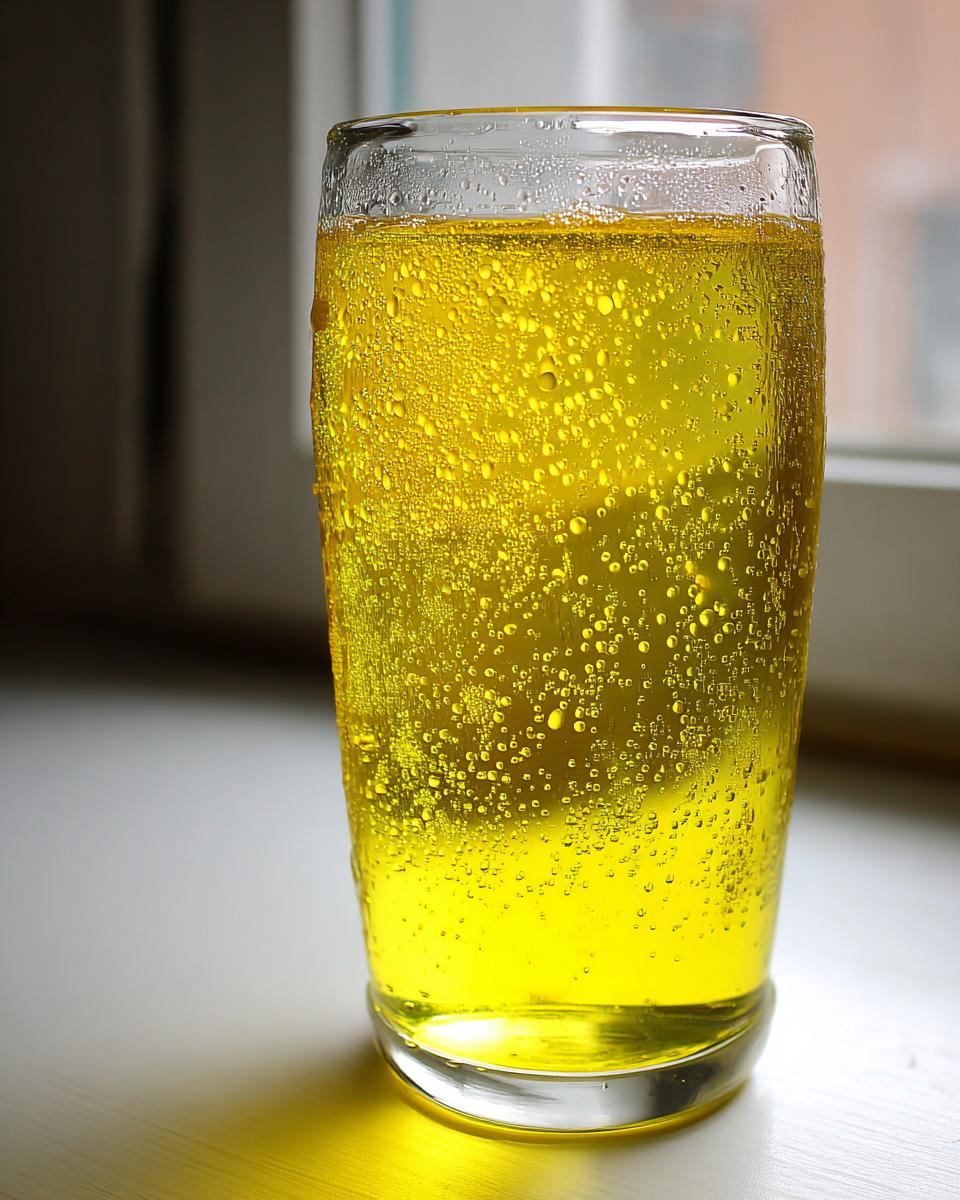
Why This Limoncello Recipe Works for Beginners
My goal on this blog is always to demystify cooking, and that absolutely includes homemade spirits! This Limoncello recipe is built on clarity. There are only four ingredients, and the hardest part is waiting for the infusion to happen. I broke down the steps so there’s zero guesswork, especially around avoiding that bitter white pith—that’s crucial! This simplicity aligns perfectly with our kitchen philosophy: big flavor doesn’t need complicated fuss. We focus on technique and quality ingredients, which is the real secret to great Italian liqueur.
My First Attempt at Homemade Lemon Liqueur
Oh boy, my first try at lemon liqueur was a disaster. I found some complicated recipe online that told me to boil the peels with the sugar, and I ended up with sticky, slightly burnt lemon candy water instead of liqueur. It was so frustrating! I nearly gave up right then. I realized I needed an infusion method that was foolproof. That failure led me to really nail down this simple, hands-off approach. This current Limoncello recipe is the result of learning exactly what *not* to do, and it’s so much better for it!
Gathering Your Limoncello Recipe Ingredients
The beauty of this Limoncello recipe lies in its short ingredient list. Because there are so few components, quality really matters here. You can’t hide cheap ingredients when they are the stars of the show! I always tell people to buy the best lemons they can find, even if they cost a tiny bit more. We are only using the zest, so we need those vibrant outer oils, not the sour juice inside. The alcohol choice is also non-negotiable if you want that classic Italian punch.
Don’t skimp on the alcohol, either. If you use something too low-proof, the infusion won’t pull out the lemon oils correctly, and you’ll end up with weak, watery liqueur. Stick to the good stuff for the best result!
Ingredient Specifications for Perfect Limoncello Recipe
Let’s be super clear about what goes into the jar. First, you absolutely must use organic lemons. We are only interested in the bright yellow part—the zest only! That white layer underneath, the pith, is bitter, and we want zero bitterness in our final limoncello. Next, for the alcohol, you need something strong: 190 proof grain alcohol is traditional, but a good, high-quality vodka works perfectly fine if you can’t find the grain spirit. For the syrup, we keep it simple: plain white sugar and water. We aren’t messing around with fancy sweeteners here; the sugar just needs to dissolve fully into the water to create that sweet counterpoint to the lemon.
Essential Equipment for Your Limoncello Recipe
You don’t need a distillery setup for this, thankfully! You just need a few solid tools. First up is a very sharp vegetable peeler or a fine microplane zester—this is how you get that beautiful zest without grabbing the white pith. Next, you’ll need a large, airtight container, something glass is best, to let the lemons soak in the alcohol. When it’s time to strain, have a fine-mesh sieve ready, maybe lined with some cheesecloth if you want extra smoothness. Then, you’ll need a small saucepan for making your syrup, and finally, some nice, clean bottles with tight-fitting corks or lids for storage.
Step-by-Step Instructions for Your Limoncello Recipe
Okay, let’s get our hands dirty—or rather, zesty! This is where the magic of the Limoncello recipe starts to happen. Don’t rush these steps; patience pays off big time in the end. I’ve tried rushing the infusion, and believe me, it’s just not worth it. Follow the timing I’ve laid out, and you’ll have a beautiful bottle of liqueur ready before you know it.
Zesting and Initial Infusion for the Limoncello Recipe
First things first: the zest. Use a sharp peeler or zester and work carefully over a bowl. You want only the bright yellow skin. If you see any white showing up on your peel, scrape that off immediately—that’s the pith, and it’s the enemy of smooth limoncello! Once you have all your beautiful zest, drop it right into your large, airtight container. Now, pour that high-proof alcohol right over the top. Make sure every single piece of zest is swimming in the alcohol; it needs to be fully submerged. Seal that jar up tight, and tuck it away in a cool, dark cupboard. This infusion needs time. I recommend at least one full week, but if you can wait three or four weeks, the flavor gets so much deeper and more intense. Seriously, don’t peek too often!
Creating and Cooling the Simple Syrup
While your lemons are doing their boozy thing, we tackle the syrup. This is easy, but you have to pay attention to the heat. In a saucepan, combine your sugar and water. Put it over medium heat, stirring constantly until every single sugar crystal is completely dissolved. I mean completely—run your finger through it if you have to! The absolute key here is that you must NOT let this mixture boil. Boiling changes the sugar structure, and we just want clean dissolution. Once the sugar is gone, take it off the heat and walk away. You cannot move on until this simple syrup is totally, completely cool to room temperature. If you mix hot syrup with cold alcohol, you’ll ruin the infusion.
Combining and Resting the Limoncello
Once the syrup is chilled, it’s time for the big moment! Take your infusion jar and pour the alcohol mixture slowly through a fine-mesh sieve right into a large bowl. You want to strain out every bit of zest. You can press down gently on the solids to get the last drops of that lemon-infused spirit out, but then you discard the zest—it’s done its job. Now, slowly whisk in that cooled simple syrup. Taste it as you go! This is where you control the final sweetness. Once everything is mixed, carefully pour your limoncello into clean bottles and seal them. Now comes the second waiting game. You must let this mixture rest again for another week or two. This resting period is vital for the alcohol, sugar, and lemon oils to finally become one beautiful, smooth liqueur. Don’t skip this secondary rest!
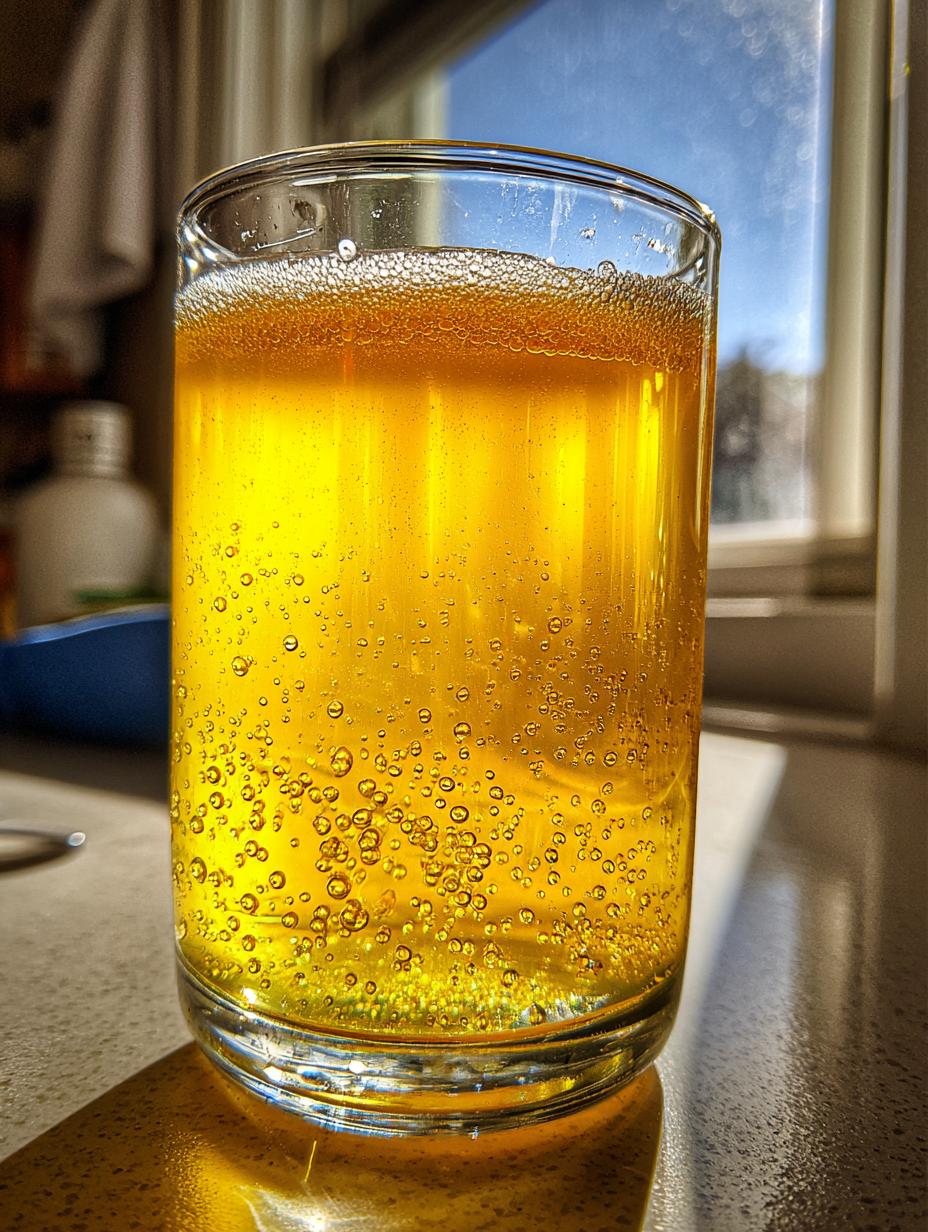
Tips for Success with Your Homemade Limoncello Recipe
Now that you’ve mastered the basic steps of this Limoncello recipe, let’s talk about tweaking it just for you. This is where my years of tinkering come into play, making sure your batch is absolutely perfect. Remember, homemade means we can customize it exactly how we like it, which is a huge advantage over buying it off the shelf. Don’t be afraid to experiment slightly after you’ve made the first batch exactly as written!
Controlling Sweetness and Strength
This is the fun part where you become the master distiller! The simple syrup is what cuts the harshness of the high-proof alcohol and adds the sweetness. If you taste your combined mixture and think, “Wow, that’s still a bit too strong,” you can always add a little more simple syrup. Conversely, if you prefer something less sweet and more punchy, just use less of the syrup than the recipe calls for. I usually start by mixing in about three-quarters of the syrup, tasting it, and then adding the rest slowly until it hits that perfect balance for my palate. It’s all about finding that sweet spot where the lemon sings!
Serving Secrets for the Best Limoncello
You can make the best batch of liqueur in the world, but if you serve it warm, you’re missing the entire point! Limoncello should be served painfully cold. I mean it! After you bottle it and let it rest, the next crucial step is chilling. I always clear out space in my freezer for the bottles. When it’s ready to serve, pull it straight from the freezer. It should be thick, almost syrupy, and cloud up slightly when you pour it. That icy temperature mutes the alcohol burn and makes the lemon flavor absolutely pop. Don’t bother with ice cubes; the temperature itself is the flavor enhancer here.
Common Questions About This Limoncello Recipe
I know when you first look at a Limoncello recipe, you have a million little questions buzzing around. That’s totally normal! When you’re dealing with infusions and high-proof spirits, people get nervous about messing it up. I’ve collected the questions I get asked most often about this process to make sure your first batch is a roaring success. Honestly, most problems come from rushing the infusion or skipping the chilling step, so pay attention to those parts!
Alcohol Alternatives for the Limoncello Recipe
This is probably the number one question I get: “Can I use regular vodka instead of grain alcohol?” Yes, you absolutely can! If you can’t find the 190 proof grain alcohol, a standard, high-quality vodka (like 80 proof) is a perfectly acceptable substitute for this Limoncello recipe. Just know that because vodka is lower proof, the infusion might take a little longer to pull out all those oils, so you might want to let it sit closer to the four-week mark. If you’re looking for a non-alcoholic version, that’s a different process entirely, as you need the alcohol to properly extract the lemon oils. For true limoncello, stick to the high-proof spirit or vodka.
How Long Does Homemade Limoncello Last
The great thing about making your own liqueur is that the high alcohol content acts as a natural preservative! If you’ve made your simple syrup correctly and sealed your bottles tightly, your homemade limoncello will last a very long time. I keep mine tucked away in the back of the freezer. If you follow the storage guidelines, you can expect it to maintain its bright flavor for at least a year, maybe even longer. It really doesn’t go bad, but the flavor might mellow out slightly after about 18 months. The most important thing is keeping it cold!
Storing and Enjoying Your Limoncello Recipe
Once you’ve gone through the whole process—the zesting, the long infusion, the syrup mixing—you want to make sure you protect your hard work! Properly storing your homemade Limoncello recipe ensures that bright, sunny lemon flavor stays vibrant for months, maybe even years. Remember, this isn’t just about keeping it safe; it’s about keeping it tasting perfect for those warm summer evenings or after-dinner treats. The secret to enjoyment is temperature, temperature, temperature!
Storage and Handling Table
| Condition | Requirement | Duration |
|---|---|---|
| Temperature | Freezer is ideal for serving; Cool, dark pantry for resting | Indefinite (Flavor optimal within 1 year) |
| Container Type | Airtight glass bottles | N/A |
| Serving Style | Serve straight from the freezer, very cold | Immediately after chilling |
Understanding the Nutrition of This Limoncello Recipe
When you’re making something this delicious, sometimes you want to know what you’re sipping on! These numbers are estimates, of course, since they depend heavily on how much sugar syrup you ultimately decide to mix in. But for those who like to keep track, here is a good general idea of what’s in a standard serving of this homemade lemon liqueur. It’s certainly not a health food, but it’s perfect for enjoying responsibly after a big Italian dinner!
Estimated Nutritional Breakdown Table
| Nutrient | Estimate Per Serving (2 oz) |
|---|---|
| Serving Size | 2 oz |
| Calories | Approx. 150 |
| Sugar | Approx. 20g |
| Carbohydrates | Approx. 20g |
| Fat | 0g |
| Protein | 0g |
Share Your Limoncello Recipe Results
I truly hope this easy Limoncello recipe brings a little bit of sunshine into your kitchen! Once you’ve tasted that first icy sip of homemade liqueur, I’d love to hear all about it. Please come back and leave a star rating below so others know how simple this process is. And if you snap a picture of your beautiful yellow bottles, tag me on social media! I can’t wait to see everyone’s amazing results!
Print
Amazing 4-Week Limoncello recipe Secret
- Total Time: 2 weeks 1 day
- Yield: Approximately 1 liter
- Diet: Vegan
Description
This Limoncello recipe guides you through making a bright, zesty Italian liqueur at home. It uses fresh organic lemon zest infused in high-proof alcohol, balanced with a simple sugar syrup.
Ingredients
- Organic lemons (for zest only)
- High-proof alcohol (190 proof grain alcohol or vodka)
- Water
- White sugar
Instructions
- Carefully remove the zest from the organic lemons. Avoid taking any of the white pith underneath, as it causes bitterness.
- Place the lemon zest into a large, airtight container. Pour the high-proof alcohol over the zest, fully submerging it.
- Seal the container and let it infuse in a cool, dark place for at least one week, or up to four weeks for stronger flavor.
- Prepare the simple syrup by combining water and sugar in a saucepan. Heat gently, stirring until the sugar completely dissolves. Do not boil. Let the syrup cool completely.
- Strain the alcohol mixture through a fine-mesh sieve or cheesecloth to remove all the lemon zest. Discard the zest.
- Combine the infused alcohol with the cooled simple syrup in a large pitcher or bowl. Stir well.
- Bottle the limoncello mixture. Seal the bottles tightly.
- Let the limoncello rest for another week or two before serving to allow the flavors to meld.
- Chill thoroughly, preferably in the freezer, before serving.
Notes
- Remove the white pith from lemon peels to prevent bitterness in the final product.
- Adjust the amount of sugar syrup you add to control the final sweetness and strength of your limoncello.
- Serve the limoncello very cold, straight from the freezer, for the best taste experience.
- Prep Time: 30 minutes
- Cook Time: 15 minutes (for syrup)
- Category: Liqueur
- Method: Infusion
- Cuisine: Italian
Nutrition
- Serving Size: 2 oz
- Calories: Approx. 150
- Sugar: Approx. 20g
- Sodium: Negligible
- Fat: 0g
- Saturated Fat: 0g
- Unsaturated Fat: 0g
- Trans Fat: 0g
- Carbohydrates: Approx. 20g
- Fiber: 0g
- Protein: 0g
- Cholesterol: 0mg