Skip to content
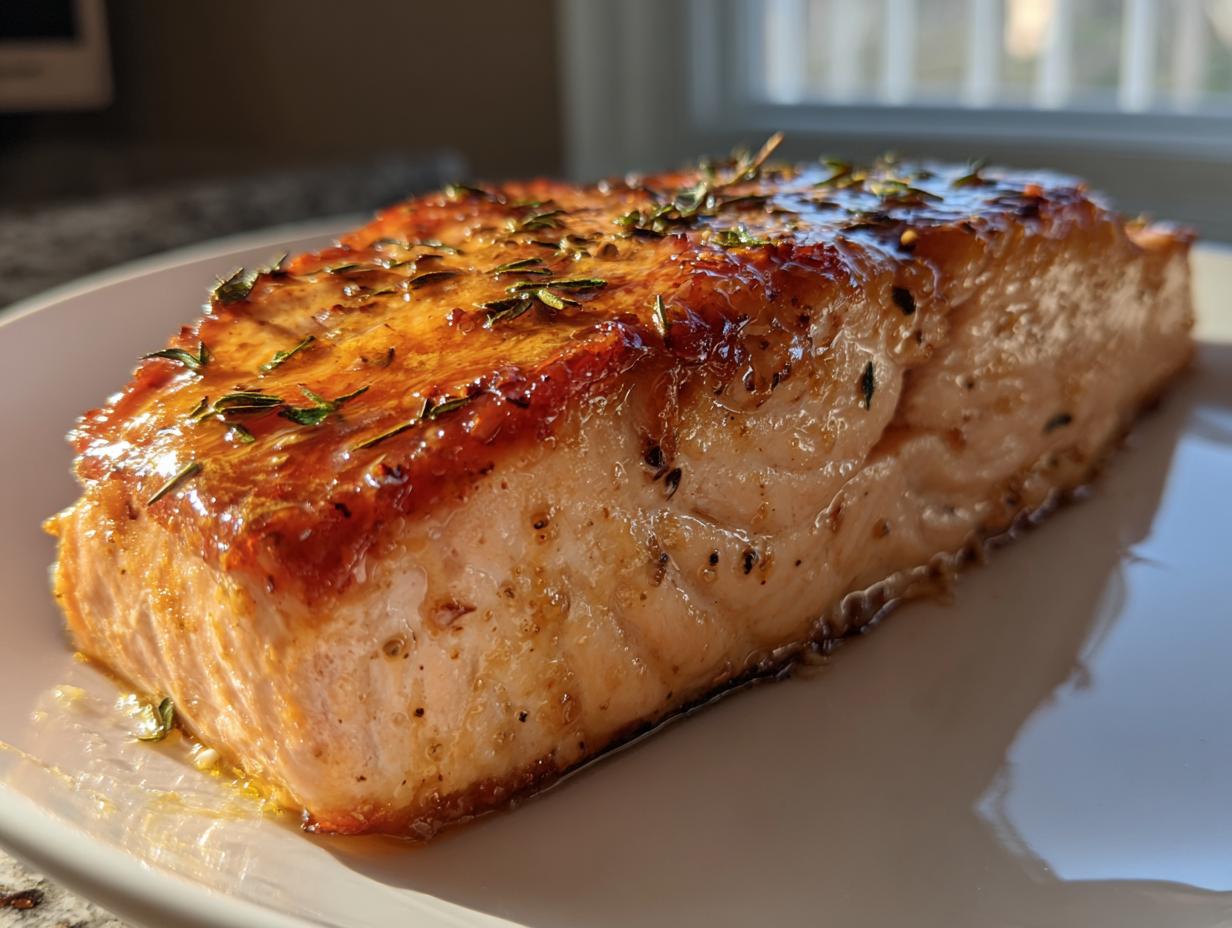
Maple Dijon Salmon is about to become your absolute favorite weeknight hero, trust me on this one! Hi, I’m Anna! 👩🍳 Cooking is my passion, and here on Mom’s Kitchen I share simple, delicious recipes that bring joy and warmth to your table. Whether you love spending time in the kitchen or you’re just looking for easy ideas for everyday meals, I’m so happy to inspire you with my recipes. Thank you for being part of this flavorful journey! 💛
I started cooking seriously when my schedule got completely nuts—I needed impressive meals without spending hours slaving over the stove. This baked salmon recipe was my transformation moment! It looks fancy, with that beautiful glossy glaze, but honestly, it’s almost foolproof, which helps build confidence in the kitchen—that’s what good cooking advice is all about, right?
The combination of sweet maple syrup and sharp Dijon mustard creates this incredible tangy-sweet coating that caramelizes perfectly in the oven. It’s fast, it’s healthy, and it proves that you don’t need complicated techniques to achieve fantastic flavor. If you can whisk two things together, you can nail this maple dijon salmon dinner tonight!
Essential Components for Perfect Maple Dijon Salmon
You don’t need a huge grocery haul for this dish; the magic of this maple dijon salmon comes from just a few quality items working together beautifully. We need the star, of course, which should be four nice, thick salmon fillets—aim for about 6 ounces each and 1 inch thick so they bake evenly. Having that thickness makes a huge difference in keeping the fish tender!
The glaze requires just a few pantry staples mixed precisely. You’ll need exactly 3 tablespoons of pure maple syrup, not pancake syrup—that’s important for the flavor profile! Then, 2 tablespoons of Dijon mustard brings the necessary tang. We mix that with 1 tablespoon of melted butter for richness, a half teaspoon of garlic powder, and just a quarter teaspoon of pepper. Don’t forget the zest of one lemon; that brightens everything up so much!
Gathering Your Maple Dijon Salmon Ingredients
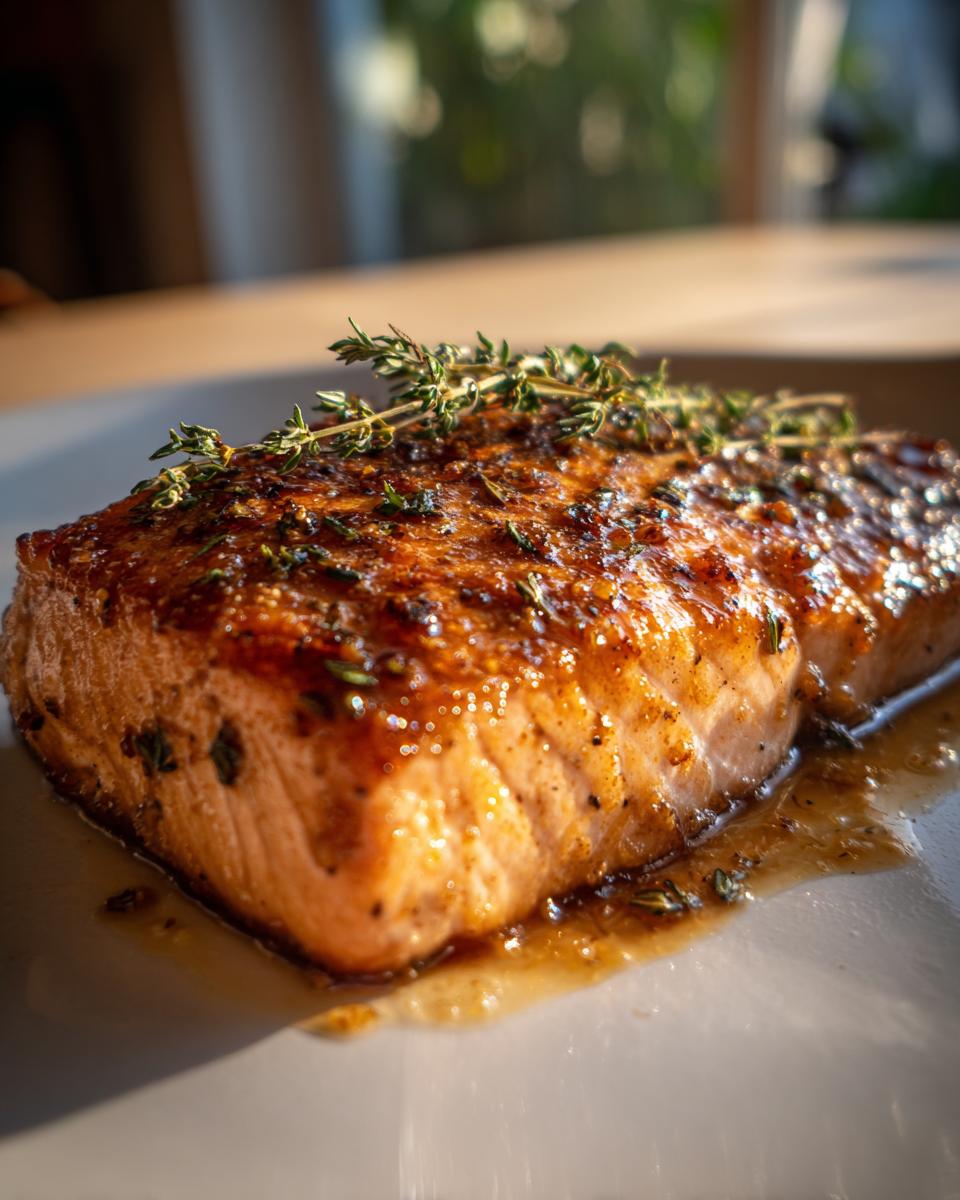
For the best flavor in your maple dijon salmon, make sure your salmon fillets are good quality and patted completely dry before glazing—that helps the coating stick! When measuring the maple syrup, be exact with those 3 tablespoons, as too much can make the glaze run thin. The lemon zest is the final little powerhouse ingredient, so use a microplane if you have one to get just the bright yellow part, not the bitter white pith underneath. We finish this with 2 tablespoons of fresh thyme, chopped finely, right at the end.
Equipment Needed for This Maple Dijon Salmon Recipe
Luckily, this recipe uses minimal equipment, which is part of why it’s so fast! You’ll definitely want a standard baking sheet, and make sure you line it with parchment paper—it saves cleanup time like nothing else. You need one small bowl for whisking up that glorious glaze, and a whisk or even just a fork works fine for combining the mustard and maple syrup. Finally, a pastry brush is handy for getting an even coat of glaze onto the fish.
Step-by-Step Guide to Making Maple Dijon Salmon
This process is so straightforward, you’ll be amazed at how quickly you get this beautiful maple dijon salmon on the table. Everything moves fast because we are using the high heat of the oven to cook these fillets perfectly. Just follow the order, and you can’t go wrong!
Preparing the Maple Dijon Glaze
First things first, let’s make that fantastic coating. Grab your small bowl and toss in the maple syrup, Dijon mustard, the melted butter, garlic powder, and black pepper. Whisk it all together until it looks smooth and glossy. That Dijon mustard is doing the heavy lifting here, providing that sharp counterpoint to the sweet maple, so make sure they are fully incorporated. The lemon zest goes in here too; trust me, it wakes up all the other flavors. Give it a good, vigorous whisk until you see no streaks of mustard left.
Applying the Glaze and Initial Baking of Your Maple Dijon Salmon
Now, let’s get the oven hot! You need to preheat it to 400°F. While that’s heating up, take your salmon fillets and pat them really dry with a paper towel—this is key for getting a good sear from the glaze later. Lay them out on your parchment-lined baking sheet. Take about half of your prepared glaze and brush it evenly over the top of each fillet. Don’t be shy, but don’t let it pool too much. Pop that sheet into the hot oven and set your timer for 8 minutes. This initial blast of heat starts the cooking process beautifully.
Finishing the Bake and Checking Doneness
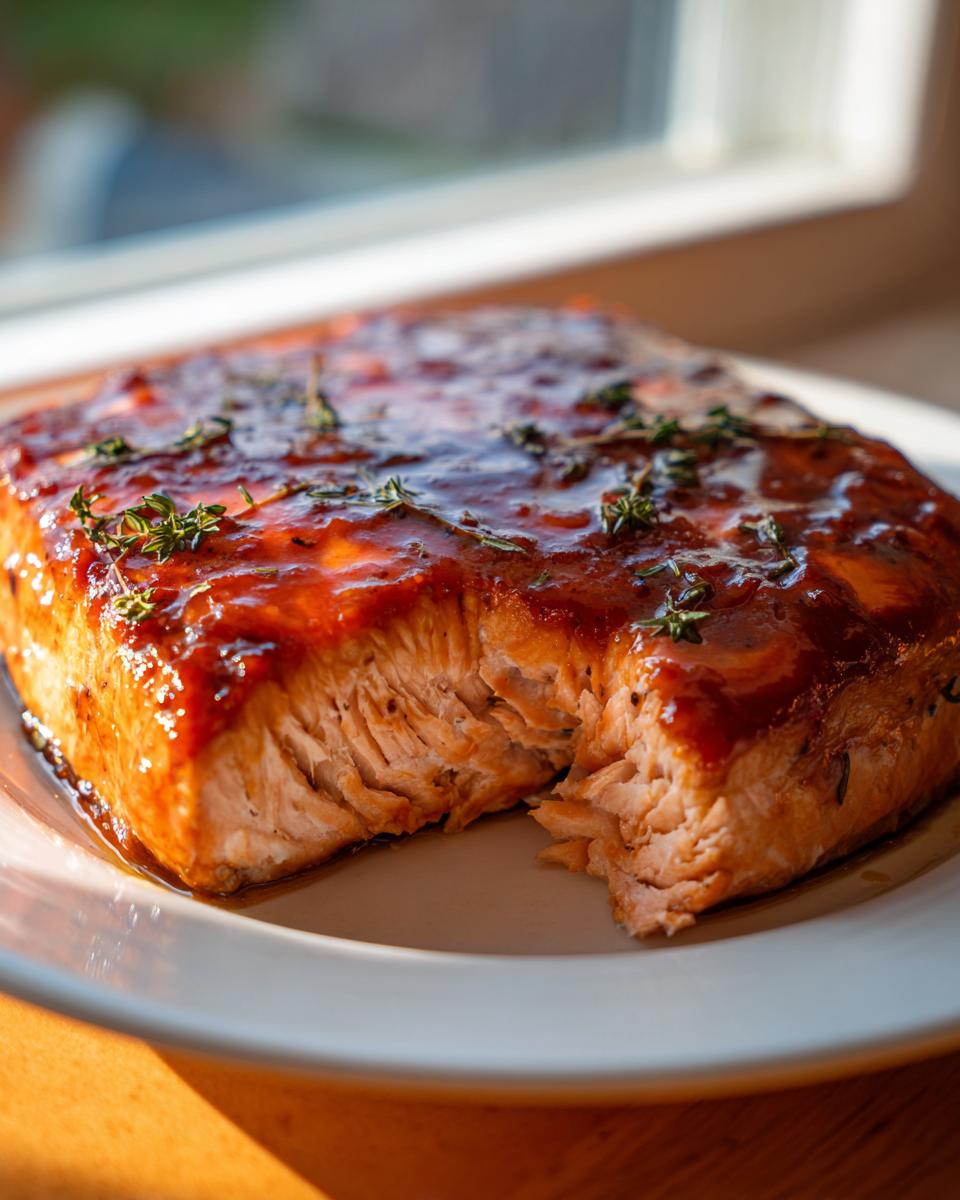
When that first timer goes off, pull the tray out carefully—it will be hot! Now, brush on the remaining glaze over the salmon. This second layer gives us that extra layer of sticky, caramelized sweetness. Pop it back in for another 8 to 10 minutes. This is where you need to be careful not to overcook your maple dijon salmon. The absolute best way to check is with a meat thermometer inserted into the thickest part; you are looking for 145°F for safe eating and perfect flakiness. If you don’t have a thermometer, use a fork to gently test a thick spot; it should flake easily without resistance. Once done, pull it out, let it rest for just two minutes—this lets the juices settle—and then sprinkle on that fresh, chopped thyme before serving!
Tips for Success with Your Maple Dijon Salmon
Even though this maple dijon salmon is super simple, there are a few little tricks I’ve learned over the years to ensure you get that restaurant-quality shine and tenderness every time. First, let’s talk about temperature control. If your salmon fillets are wildly different thicknesses, they won’t cook at the same rate. Try to select pieces that are as close to that 1-inch thickness as possible. If you have one thin piece, pull it out a minute or two early!
My second big tip involves that glaze application. Don’t skip the two-step brushing! Brushing half before the first bake sets the flavor base, and the second layer goes on when the fish is already firming up, which prevents the sugary glaze from burning too quickly. If you notice your glaze is browning too fast before the fish is cooked through, loosely tent a small piece of foil over the top for the last five minutes. Seriously, the difference in texture between perfectly cooked and overcooked salmon is tiny, so watch that thermometer closely! For more information on safe internal temperatures for fish, check out this FDA guide.
Finally, don’t underestimate the power of fresh lemon zest. If you use bottled lemon juice instead, you lose that bright aromatic oiliness that cuts through the richness of the butter and maple. For the best maple dijon salmon, always use fresh zest right before you glaze!
Flavor Variations for Baked Salmon
The beauty of this sweet and savory glaze is how wonderfully it plays with other seasonings, even though I swear by the fresh thyme in the original recipe. If you’re out of thyme or just want to switch things up for variety, you have a couple of excellent, safe swaps you can make right in that glaze mixture!
For a slightly woodsy, pine-like aroma that pairs beautifully with the maple, swap out the fresh thyme for an equal amount of fresh rosemary. Just make sure you chop that rosemary finely, as it can be a bit tougher than thyme. Another fantastic addition is a small pinch—and I mean small, maybe a quarter teaspoon—of smoked paprika added right into the whisking bowl with the Dijon and maple. That smoked paprika gives the baked salmon a deep, almost barbecue-like undertone without adding any heat.
Oh, and if you like a tiny bit of warmth but not actual spice, try adding a tiny dash of ground cloves when you add the garlic powder. It’s surprising how well that works with the maple. These small tweaks keep things interesting without messing up the core balance of the sweet and tangy notes in your baked salmon. If you are interested in learning more about the health benefits of omega-3s found in fish like salmon, you can read more here.
Serving Suggestions for Maple Dijon Salmon
Since this maple dijon salmon comes together so fast, you need sides that keep up with that quick dinner pace! We want things that are bright and fresh to balance the sweet, savory glaze. My top pick is always roasted asparagus. Toss the spears with a little olive oil, salt, and pepper, and roast them right alongside the fish for the last 10 minutes—it’s super hands-off!
If you need something a little heartier, creamy mashed sweet potatoes are heavenly with this glaze, but if you’re really pressed for time, just steam some quick-cooking quinoa or pearl couscous. They soak up any extra glaze that might drip onto the plate. Another simple winner is a quick side salad tossed in a light vinaigrette. The acidity from the dressing cuts right through the richness of the salmon beautifully. Honestly, whatever you choose, keep it simple so you can enjoy eating this fantastic fish! If you’d like to see my favorite recipe for roasted asparagus, check out my other posts!
Storing and Reheating Your Leftover Maple Dijon Salmon
If you’re lucky enough to have any leftover maple dijon salmon—which is rare in my house!—storing it correctly is key to keeping that flaky texture intact. You want to refrigerate leftovers within two hours of cooking, just like any good fish preparation. Pop the salmon into an airtight container. It should keep nicely for about three days in the fridge. Don’t try to store it covered in extra glaze, though; just the fish itself is best.
Reheating is where you have to be careful not to turn your beautiful fish into rubber! Microwaving can work in a pinch, but you must use low power and short bursts—maybe 30 seconds at a time—to gently warm it through. My preferred method is low and slow in the oven or toaster oven. Just wrap the piece loosely in foil with a tiny splash of water or broth to create steam. This keeps the salmon moist while it warms up safely, ensuring you get a decent meal out of your quick dinner leftovers.
Storage Table for Maple Dijon Salmon
| Storage Method | Duration |
| Airtight Container (Refrigerated) | Up to 3 Days |
| Airtight Container (Frozen) | Not Recommended |
Understanding the Nutrition in Maple Dijon Salmon
One of the best things about this maple dijon salmon recipe is that it’s not just delicious; it’s genuinely good for you too! Because salmon is packed with healthy fats and protein, it makes for a satisfying meal that won’t leave you feeling heavy. We are looking at a dish that provides a huge punch of nutrition in a very short cooking window, which is perfect for my busy lifestyle and yours.
When we talk about the nutritional breakdown, remember that these numbers are estimates based on a standard 6-ounce fillet cooked with the glaze as written. The fat content comes mostly from the healthy omega-3s found naturally in the fish, balanced out by the sugars from the maple syrup in the glaze. It really is a fantastic balance for a quick dinner.
It’s important to know what you’re eating, so I’ve broken down the main components of one serving of this maple dijon salmon below. This information helps me plan out side dishes, ensuring we get a good mix of carbs and fiber alongside all that great protein!
Nutritional Information for Maple Dijon Salmon (Estimated per Serving)
| Nutrient | Amount |
| Calories | 370 |
| Total Fat | 20 g |
| Protein | 34 g |
| Carbohydrates | 12 g |
Frequently Asked Questions About This Quick Dinner
I get so many questions about making sure this fish comes out perfectly every time, especially if you’re new to baking fish. Here are some of the things folks ask me most often about this wonderfully simple recipe!
Q1. Can I use honey instead of maple syrup in the glaze?
You absolutely can, but you’ll change the flavor profile a bit! Honey is sweeter and thicker than maple syrup. If you substitute honey, I’d recommend increasing the Dijon mustard by about a half tablespoon to keep that necessary tanginess in your maple dijon salmon. Honey also tends to caramelize faster, so watch your bake time!
Q2. What if I don’t have fresh thyme? Can I use dried?
If you only have dried thyme, no problem at all! Dried herbs are more concentrated, so you should use about one-third the amount of fresh herbs called for. Since the recipe calls for 2 tablespoons chopped fresh thyme, start with just 2 teaspoons of dried thyme sprinkled on at the very end. Fresh is always best for that pop of flavor, but dried works in a pinch for this quick dinner!
Q3. My salmon fillets are much thinner than 1 inch; how do I adjust the baking time?
This is super common! Thinner fish cooks way faster. If your fillets are only half an inch thick, you might only need 10 to 12 minutes total baking time. Always check for that 145°F internal temperature, but start checking around the 7-minute mark after the first glaze application. Under-baking is always fixable by putting it back in, but over-baking ruins the texture!
Q4. Is this baked salmon recipe good for meal prepping?
Yes, it is! While fresh is best, this maple dijon salmon reheats surprisingly well if you use the foil-wrapping method I mentioned earlier. It’s a fantastic healthy protein base for lunches throughout the week.

Amazing maple dijon salmon in just 16 minutes
- Total Time: 28 min
- Yield: 4 servings 1x
- Diet: Low Fat
Description
Flaky salmon glazed with sweet maple syrup and tangy Dijon mustard. This easy, colorful baked salmon makes for a quick, impressive dinner.
Ingredients
- 4 salmon fillets, 6 oz each, 1 inch thick
- 3 tablespoons maple syrup
- 2 tablespoons Dijon mustard
- 1 tablespoon melted butter
- 1/2 teaspoon garlic powder
- 1/4 teaspoon black pepper
- Zest of 1 lemon
- 2 tablespoons fresh thyme, chopped
Instructions
- Preheat oven to 400°F. Line a baking sheet with parchment paper and pat salmon dry.
- In a small bowl, whisk maple syrup, Dijon mustard, butter, garlic powder, black pepper, and lemon zest.
- Brush half the glaze onto each fillet.
- Bake 8 minutes, then brush remaining glaze.
- Bake 8–10 more minutes until salmon flakes and reaches 145°F.
- Rest 2 minutes, sprinkle thyme, and serve.
Notes
- Ensure salmon reaches 145°F for safety.
- Prep Time: 10 min
- Cook Time: 18 min
- Category: Main Course
- Method: Baking
- Cuisine: American
Nutrition
- Serving Size: 1 fillet
- Calories: 370
- Sugar: Not specified
- Sodium: Not specified
- Fat: 20 g
- Saturated Fat: Not specified
- Unsaturated Fat: Not specified
- Trans Fat: Not specified
- Carbohydrates: 12 g
- Fiber: Not specified
- Protein: 34 g
- Cholesterol: Not specified