Skip to content
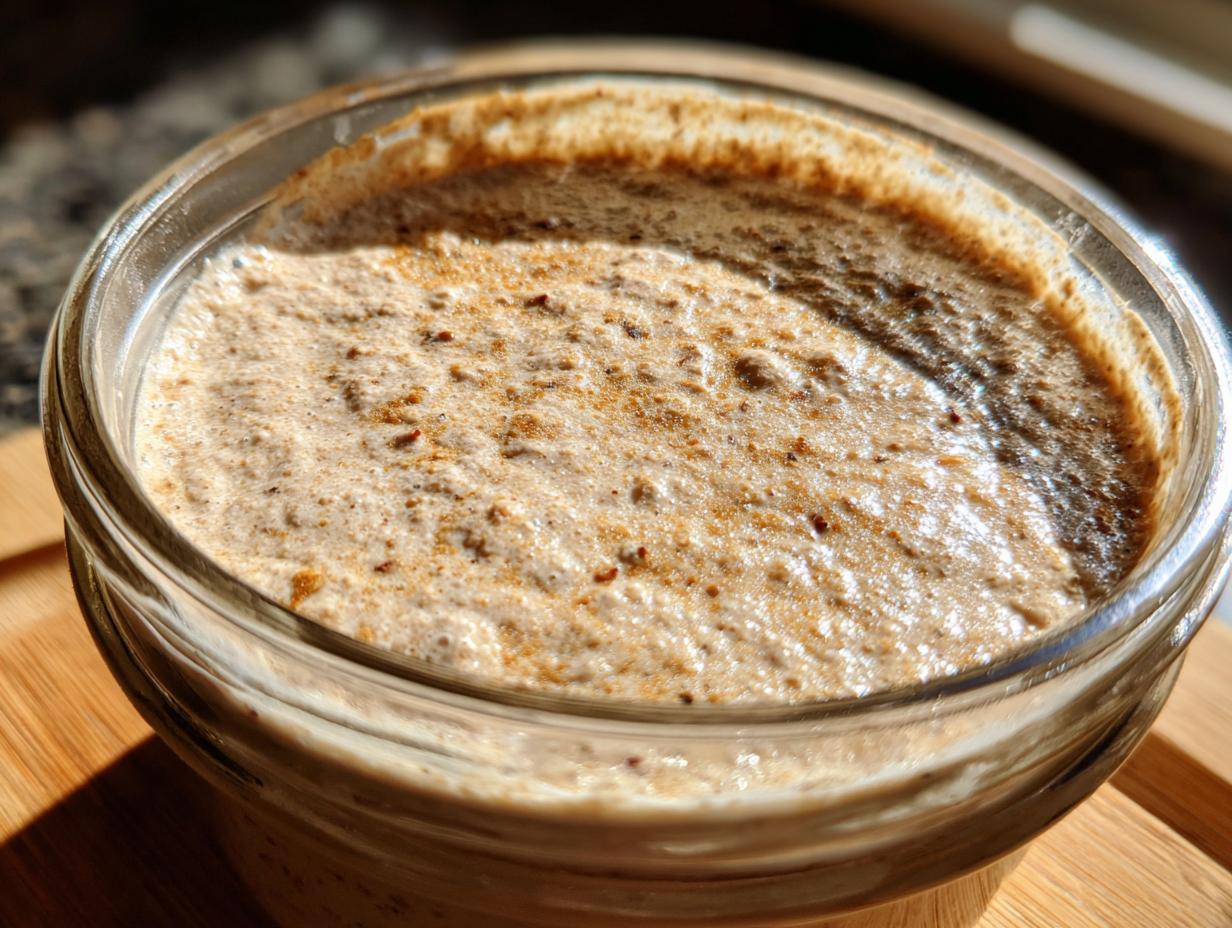
The journey to baking amazing, crusty bread starts right here, with nurturing your very own Sourdough Starter. This living culture is where all the magic happens! Hi, I’m Anna! 👩🍳 Cooking is my passion, and here on Mom’s Kitchen I share simple, delicious recipes that bring joy and warmth to your table. Whether you love spending time in the kitchen or you’re just looking for easy ideas for everyday meals, I’m so happy to inspire you with my recipes. Thank you for being part of this flavorful journey! 💛
I remember the first time I tried to make a starter. I thought it was some kind of complicated science experiment that only professional bakers understood! I was so intimidated by the bubbling and the waiting. But honestly, creating a healthy Sourdough Starter is more about patience than precision. It’s like adopting a tiny pet for your kitchen that just needs flour and water!
This recipe is my absolute favorite way to introduce new bakers to the wonderful world of wild yeast. We’re skipping the complicated jargon and focusing on simple feeding schedules that guarantee you’ll have a bubbly, reliable culture ready for that first loaf of bread. No heading needs to be written for the introduction.
Why You’ll Love Creating Your Own Sourdough Starter
I promise you, getting that first batch of bubbles is like winning a little domestic gold medal! This process is designed for absolute beginners. You don’t need any fancy gear to get started, just a little patience while you wait for those wild yeasts to wake up. The reward? The incredible, tangy flavor you only get when you bake with your own active Sourdough Starter.
- It’s surprisingly simple—just flour and water!
- You get the best flavor possible for your homemade bread.
- It builds confidence fast because you see results daily.
Equipment Needed for Your Sourdough Starter
You probably have everything you need right now! We aren’t pulling out the kitchen scale for the initial setup. All you need is a decent-sized glass jar, a rubber band to mark your progress, and something to stir with. This simple setup is perfect for monitoring your new Sourdough Starter.
Gathering Ingredients for Your Sourdough Starter
When you’re starting your Sourdough Starter, you only need two things, which is what I love about it! It’s so pure. But those two things—the flour and the water—matter a lot in these very early days. Don’t just grab anything; we need to set this little culture up for success right from the start, okay?
For the very first mix, we use whole wheat because it has more of the natural microorganisms we are trying to capture. After that, we switch to all-purpose flour. Here’s what you need handy:
| Ingredient | Amount |
| Whole Wheat Flour (Initial Day) | ½ cup |
| All-Purpose Flour (Subsequent Feedings) | ½ cup |
| Water (Ideal Temperature) | ¼ to ⅓ cup |
Ingredient Clarity and Water Temperature
Please use whole wheat flour for Day 1—it really helps kickstart the wild yeast. After that, unbleached all-purpose flour is best so we don’t kill off our new friends with harsh chemicals. The water temperature is your secret weapon early on! Aiming for about 75°F is perfect for awakening everything and getting those first exciting bubbles in your Sourdough Starter.
Step-by-Step Instructions to Develop Your Sourdough Starter
Okay, here is where the real fun—and the waiting—begins! Making your Sourdough Starter is a commitment of about a week, but don’t let that scare you. Most of that time is just letting it sit on the counter while you go about your life. We are building a very strong, very happy colony!
Initial Mix and First Rest (Day 1 Setup)
Grab that jar and let’s get messy! In Step 1, mix your half-cup of whole wheat flour with about a quarter-cup of water. You might need a tiny splash more water—we’re looking for the consistency of thick pancake batter. It shouldn’t be runny, but it shouldn’t be a stiff dough either. Stir it really well with a wooden spoon until there are no dry flour pockets left.
Now, let that mixture rest for 30 minutes. This gives the flour a little time to hydrate before we seal it up. After the rest, give it one final stir, cover it loosely with a paper towel secured by that rubber band, and forget about it for a full 24 hours. Don’t peek too much on Day 1! We just want it to start mingling.
Days 2 Through 3: Observing Initial Activity
This is the first big check-in for your Sourdough Starter. After 24 hours, look closely! Do you see tiny bubbles? If yes, great! If you see bubbles, it’s time to feed. Add a half-cup of the all-purpose flour and a splash of water (about a third of a cup) and stir it until it’s smooth. Cover it back up and wait another 24 hours.
If you see absolutely nothing on Day 2—no bubbles, no smell—don’t panic or throw it out! That’s super common. Just give it another stir, cover it, and wait another full 24 hours. Sometimes the yeast needs a little extra time to wake up from its flour nap.
Days 4 to 6: Establishing Consistency Through Regular Feeding
Once you see reliable bubbles, usually around Day 3 or 4, we start the discarding process. This is important because if you don’t remove some, you’ll end up with a gallon of starter! Scoop out half of what you have and toss it (or save it for pancakes—more on that later!). To the remaining starter, add your fresh half-cup of all-purpose flour and the water.
If you are planning on baking often, this is when you switch to feeding twice a day, every 12 hours. If you only plan to bake occasionally, stick to feeding once every 24 hours. Keep discarding half and feeding with the same ratio to keep your Sourdough Starter happy and strong.
Recognizing a Ready Sourdough Starter
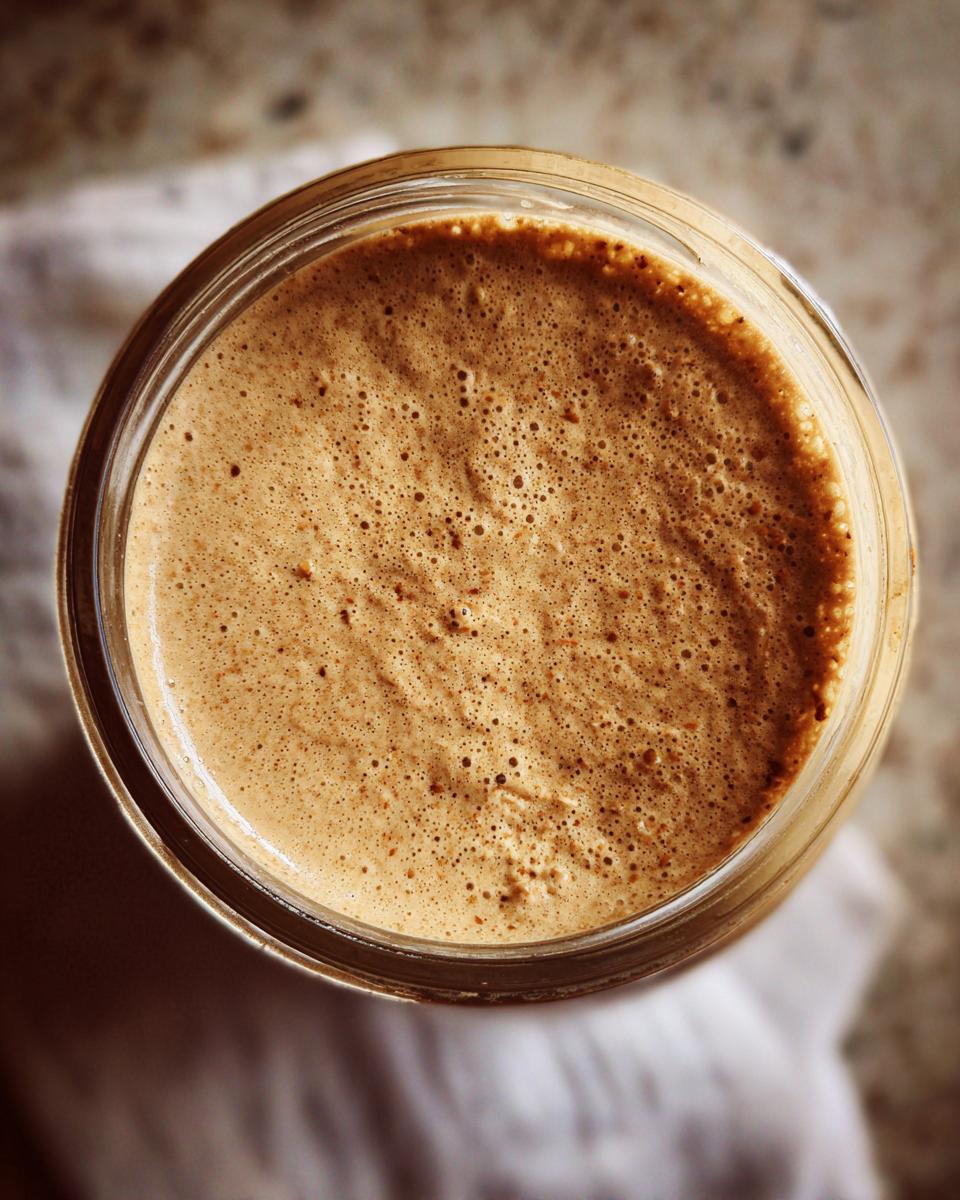
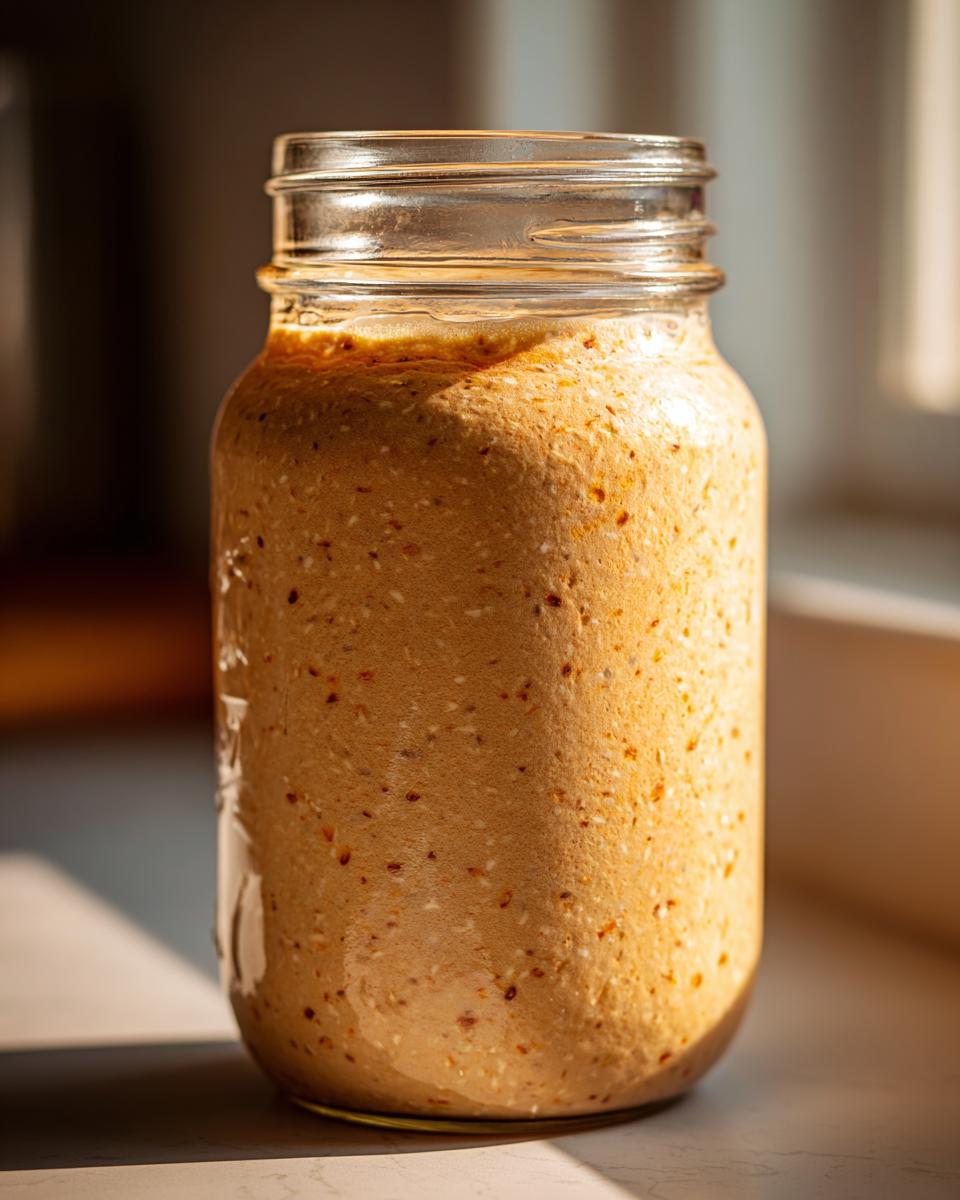
How do you know when you’re done waiting? Your starter is ready when it consistently doubles in size—not just gets puffy, but actually doubles its height—within about 8 hours of being fed. It should look very active, full of air, and smell pleasantly tangy, maybe even a little like yogurt. Once you hit that reliable doubling for two feedings in a row, congratulations! Your Sourdough Starter is mature and ready to make some seriously delicious bread.
Tips for Sourdough Starter Success
Even with simple instructions, things can go a little sideways when you’re first creating your Sourdough Starter. Don’t worry if it smells weird on Day 3 or if it doesn’t bubble right away. It happens to everyone! Here are the few things I look out for that usually fix any sluggishness:
- Watch the Heat: If your kitchen is cold, your starter will be slow. Try keeping your jar near the oven after you’ve used it, or on top of the fridge where it’s a touch warmer.
- Hydration is Key: If your starter looks like thick paste, it’s too dry. If it looks like soup, it’s too wet. Adjust that water slightly during feeding until it flows slowly off a spoon—that perfect pancake batter feel is the goal.
- Be Consistent: Try to feed your Sourdough Starter around the same time each day, especially in the beginning. Routine helps the yeast culture understand when its next meal is coming.
Storing and Maintaining Your Active Sourdough Starter
Once you have that beautifully active Sourdough Starter that doubles reliably, you don’t have to feed it twice a day anymore! If you aren’t baking every single day, the fridge is your best friend. Just give it one last good feeding, let it sit on the counter for an hour or two until you see the first tiny bubbles, and then pop a lid on it and stick it in the refrigerator. It slows way down in there!
When it’s chilling out in the cold, you only need to feed your Sourdough Starter about once a week. Just pull it out, discard half, and feed it with fresh flour and water. Let it sit on the counter for a few hours until it looks a little happy, then put it right back in the cold. It’s so low-maintenance this way!
Preparing Your Sourdough Starter for Baking
Here’s the trick for baking day: you can’t just pull your cold Sourdough Starter straight from the fridge and expect it to lift a heavy loaf of bread. You need to wake it up! Take it out about 24 hours before you plan to mix your dough. Discard most of it, feed it your normal ratio, and let it sit on the counter. You might need to feed it a second time 12 hours later to ensure it’s super vigorous and doubling quickly before you use it in your recipe.
Frequently Asked Questions About Your Sourdough Starter
I get so many questions about what’s “normal” when you are first creating your Sourdough Starter. Since this is a living thing, it acts a little differently every day, which can be confusing! Don’t worry, most of the weird things you see are totally fine.
Q1. Why does my starter smell like nail polish remover or vinegar?
Oh, that strong, sharp smell means your Sourdough Starter is hungry! It’s producing too much acetic acid because it’s eaten all its food too quickly. The fix is easy: just discard more deeply and feed it more frequently—maybe even twice a day until that sharp smell mellows out into a pleasant, tangy aroma.
Q2. What if I see mold or pink streaks?
If you see anything fuzzy, pink, or black, you unfortunately have to toss the whole thing and start over. That means bad bacteria have taken over. Always make sure your jar is super clean before you start your initial activation with the flour and water.
Q3. Do I have to use whole wheat flour every time?
No, you don’t! We use whole wheat flour just for that very first day because it has more nutrients to jump-start the process. After Day 1, switching to all-purpose flour keeps the culture clean and predictable for your regular feeding schedule.
Q4. My starter is bubbly but isn’t doubling in size. Is it ready?
If it’s bubbly but staying flat, it needs a little more time or perhaps a warmer spot. The “doubling” rule is the real test for a ready Sourdough Starter. Keep feeding it consistently until you see it reliably hit that height mark within 8 hours!
Storage and Reheating Instructions for Unused Starter
Once your Sourdough Starter is active, you’ll inevitably have leftovers after feeding. You don’t want to waste all that good flour and water! Storing the excess in the fridge is the easiest way to manage it between baking days. Just make sure you feed what you keep in the fridge at least once a week.
| Storage Location | Feeding Frequency |
| Refrigerator | Once per week |
| Countertop (Active Baking) | Every 12 or 24 hours |
What to Do With Discarded Starter
Don’t just throw that removed portion of your Sourdough Starter in the trash! It’s perfectly usable, just not active enough to lift bread yet. I always use mine to make the best, fluffiest pancakes you’ve ever had. You can also make quick crackers or thin flatbreads with it. It adds a lovely, subtle tang to those quick recipes!
Share Your Sourdough Starter Journey
I am so excited for you to watch your own Sourdough Starter come to life! Tell me how it’s going in the comments below. I love hearing about your bubbling successes! Contact me if you have any questions!
Print
Amazing Sourdough Starter: 1 True Secret
- Total Time: 168 hours (initial activation period)
- Yield: Active Sourdough Starter
- Diet: Vegetarian
Description
Create your own active sourdough starter using flour and water. This process involves several days of feeding to establish a culture capable of leavening bread.
Ingredients
- ½ cup flour, whole wheat or unbleached all-purpose
- ¼–⅓ cup water, 75°F is ideal
- 1 glass jar or bowl (about 32 ounces)
- 1 paper towel
- 1 rubber band
Instructions
- Add ½ cup whole wheat flour and ¼ cup water to the jar. Add up to ¼ cup more flour if needed to reach pancake batter consistency.
- Let the mixture rest for 30 minutes. Stir with a wooden spoon. Set aside for the first feeding.
- Stir thoroughly and cover the jar with a paper towel secured by a rubber band. Let sit for 24 hours at room temperature.
- After 24 hours, check for bubbles. If bubbles are present, add ½ cup all-purpose flour and ¼-⅓ cup water. Stir well. If no bubbles appear, stir the mixture and let it sit for 24 more hours.
- Check for bubbles again. If present, remove half of the starter. Add ½ cup all-purpose flour and ¼-⅓ cup water to the remaining starter. Stir thoroughly and let sit for 24 hours.
- Remove half of the starter. Feed the remaining starter with ½ cup all-purpose flour and ¼ cup water. Stir thoroughly and let sit for 24 hours.
- Continue feeding two times a day on days 4, 5, and 6 if you plan to use the starter often.
- Maintain the feeding routine until the starter consistently bubbles and doubles in size within 8 hours of feeding.
- Once active, you can store the starter in the refrigerator and feed it weekly. When ready to bake, remove it 24 hours ahead to feed and warm it up.
Notes
- Keep the starter in a warm area; cool rooms slow the activity.
- The water temperature of 75°F is optimal for initial activation.
- Consistent bubbling and doubling in size indicate a ready starter.
- Prep Time: 10 minutes
- Cook Time: 0 minutes
- Category: Baking Component
- Method: Wild Yeast Fermentation
- Cuisine: American
Nutrition
- Serving Size: Varies (Starter)
- Calories: Not Applicable (Unbaked Starter)
- Sugar: Not Applicable
- Sodium: Not Applicable
- Fat: Not Applicable
- Saturated Fat: Not Applicable
- Unsaturated Fat: Not Applicable
- Trans Fat: Not Applicable
- Carbohydrates: Not Applicable
- Fiber: Not Applicable
- Protein: Not Applicable
- Cholesterol: Not Applicable