Skip to content
No heading needs to be written for the introduction.
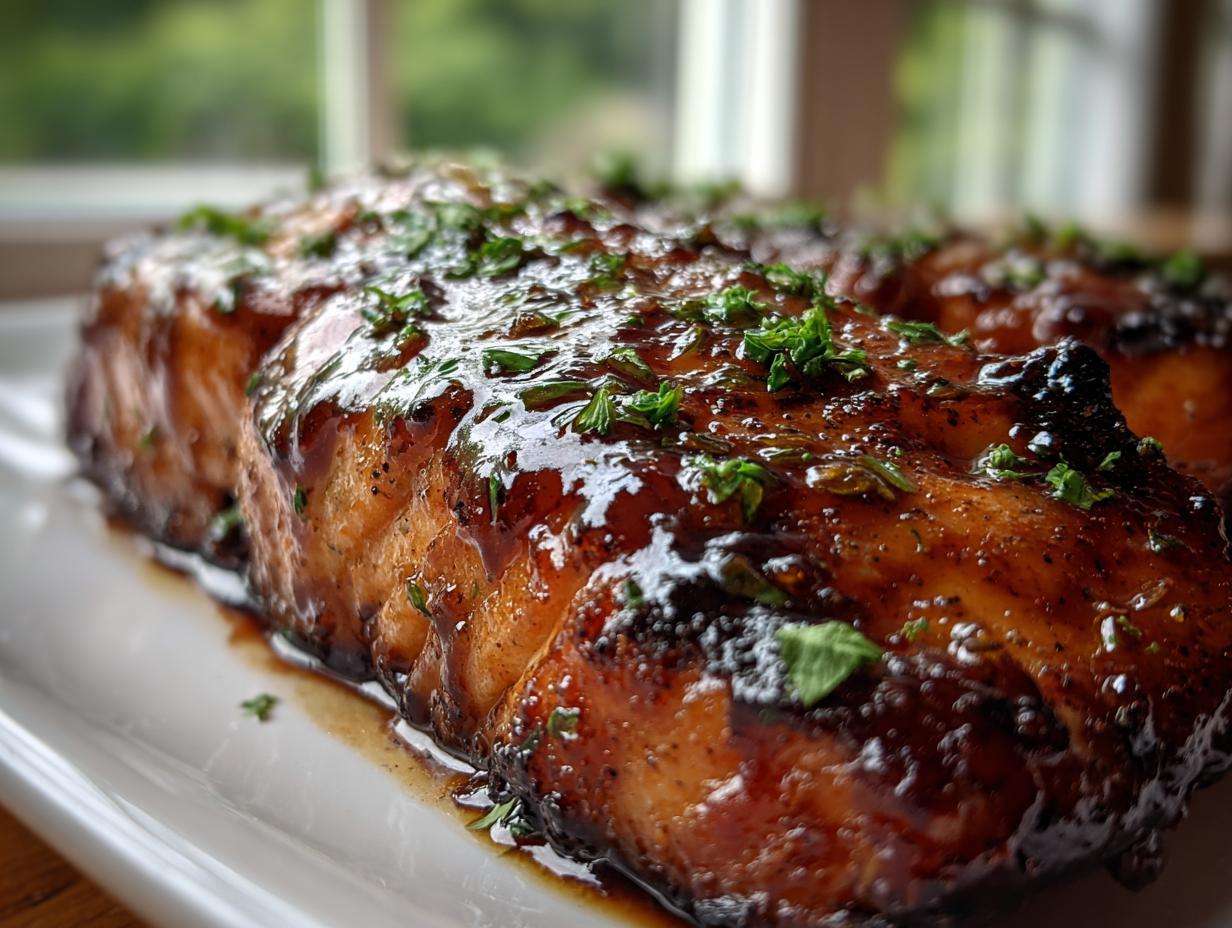
If you’ve ever craved that perfectly sweet, slightly smoky glaze from your favorite steakhouse but didn’t want to leave the house, then you are in the absolute right place! Today, we are mastering the Texas Roadhouse Salmon right here in your own kitchen. I promise you, this baked salmon is so simple, you’ll wonder why you ever ordered it out. My goal has always been to share recipes that are totally achievable, even on a busy weeknight, without sacrificing that ‘wow’ factor you look for in a great meal.
My Kitchen Philosophy and the Texas Roadhouse Salmon Story
Hi, I’m Anna! 👩🍳 Cooking is my passion, and here on Mom’s Kitchen I share simple, delicious recipes that bring joy and warmth to your table. Whether you love spending time in the kitchen or you’re just looking for easy ideas for everyday meals, I’m so happy to inspire you with my recipes. Thank you for being part of this flavorful journey! 💛.
I believe great food doesn’t require complicated techniques or fancy equipment. It just needs good ingredients treated with a little respect. That’s why I love this baked salmon recipe so much. It proves you can get that deep, caramelized flavor we all love on the Texas Roadhouse Salmon using just your standard oven and about 20 minutes of cook time. It’s all about building flavor layers in that glaze, and I’ll show you exactly how I layer mine for that authentic taste. Trust me, once you nail this simple technique, you’ll be making this for dinner all the time!
Gathering Your Ingredients for Texas Roadhouse Salmon
Getting ready for this Texas Roadhouse Salmon is half the fun! Since we are relying on a glaze to do most of the heavy lifting flavor-wise, the quality and measurement of those few simple ingredients really matter. Don’t stress about having a huge pantry; this recipe uses pantry staples, but we need to treat them right. We’re aiming for that perfect harmony between sweet, salty, and savory, so measure carefully, especially the sugar and the soy sauce. This whole process, from pulling out the ingredients to glazing the fish, takes less than ten minutes, which is why I love it for busy nights!
Precise Measurements for the Texas Roadhouse Salmon Glaze
The glaze is where the magic happens! We need 1/4 cup of brown sugar—make sure it’s packed in there because that molasses really deepens the flavor. Then we hit it with 2 tablespoons of soy sauce for that salty kick. The butter needs to be melted, about 2 tablespoons, to help everything emulsify nicely. Then comes a tablespoon of honey—just a touch more sweetness to balance the saltiness of the soy. Garlic powder, pepper, and paprika round out the spices. Whisk it all together until it looks like a smooth, thick syrup. That’s the flavor foundation for our amazing salmon!
Selecting Perfect Salmon Fillets
When it comes to the salmon itself, aim for consistency. You need four fillets, about 6 ounces each. The most important thing here, and I learned this the hard way, is making sure they are roughly the same thickness. If one fillet is super thin and another is a thick chunk, the thin one will dry out while you wait for the thick one to cook through. Try to pick fillets that are uniform across the board. Also, make sure you pat them down really well with a paper towel before you start. Dry fish absorbs the glaze better and browns nicely instead of just steaming in the pan!
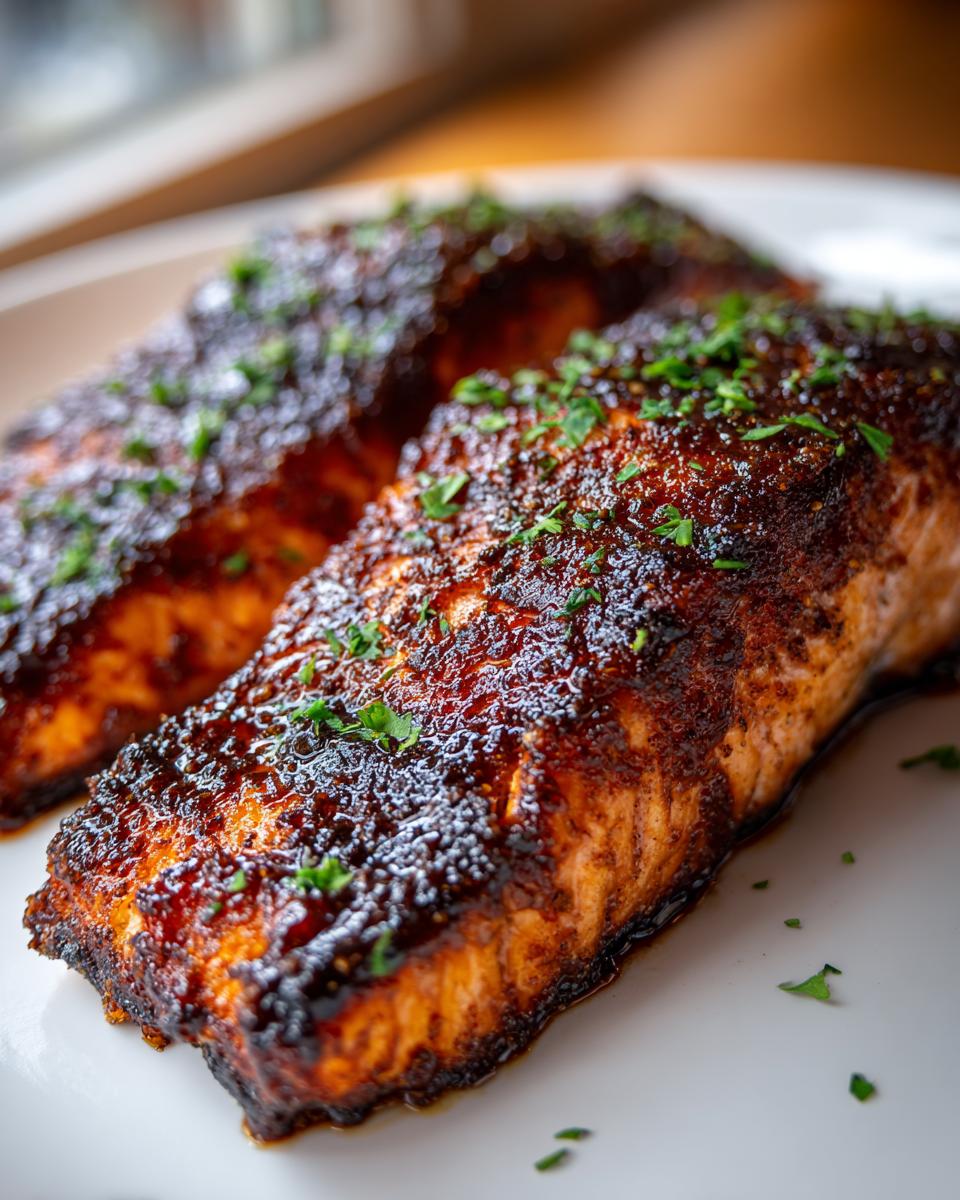
Essential Equipment for Baking Your Texas Roadhouse Salmon
You don’t need a smoker or a fancy grill to get this amazing flavor, thank goodness! For this baked Texas Roadhouse Salmon, we keep the equipment super simple. First up, you absolutely need a sturdy baking sheet. I always line mine with parchment paper—and I mean *always*. It’s my secret weapon against sticking, especially with all that sugary glaze caramelizing underneath.
Next, grab a small bowl and a whisk for mixing up that glaze. You’ll want to make sure that brown sugar dissolves properly. You’ll also need a pastry brush or a silicone brush to apply the glaze evenly over the fish. Finally, for checking doneness later, have an instant-read thermometer handy. It takes the guesswork out of cooking fish, and that’s always a win in my book!
Step-by-Step Instructions for Perfect Texas Roadhouse Salmon
Okay, now that we have our beautiful fillets ready and our glaze mixed, let’s get this Texas Roadhouse Salmon into the oven! The key here is timing the glaze application perfectly so you get that deep color without burning the sugar before the fish is cooked through. This recipe is fast—we are talking under 20 minutes total cook time, so make sure your oven is hot and ready to go!
Preparing the Sweet and Savory Glaze Application
First things first: Preheat your oven to 400 degrees Fahrenheit. While that’s heating up, take your whisked glaze—the one that smells incredible with the brown sugar and garlic powder—and grab your pastry brush. Lay your dry salmon fillets out on that parchment-lined sheet. Now, this is important: only brush about half of that gorgeous glaze mixture onto the tops of the salmon pieces. Don’t save it all for the end! We are building flavor layers here.
Into the oven they go for the first round. Set your timer for exactly 8 minutes. When that timer goes off, quickly pull the tray out. Brush the remaining glaze over the top of each fillet. This second layer is what gives it that incredible, shiny, restaurant-quality finish. Be quick so you don’t lose too much oven heat!
Baking Times and Internal Temperature Checks
After that second layer of glaze, slide the salmon back in. Now we bake for another 8 to 10 minutes. This is where you need to pay attention to the internal temperature, especially for food safety. You are looking for the salmon to reach 145 degrees Fahrenheit right in the thickest part of the fillet. If you don’t have a thermometer, you can test a piece gently with a fork—it should flake apart easily, but it shouldn’t look dry or opaque all the way through.
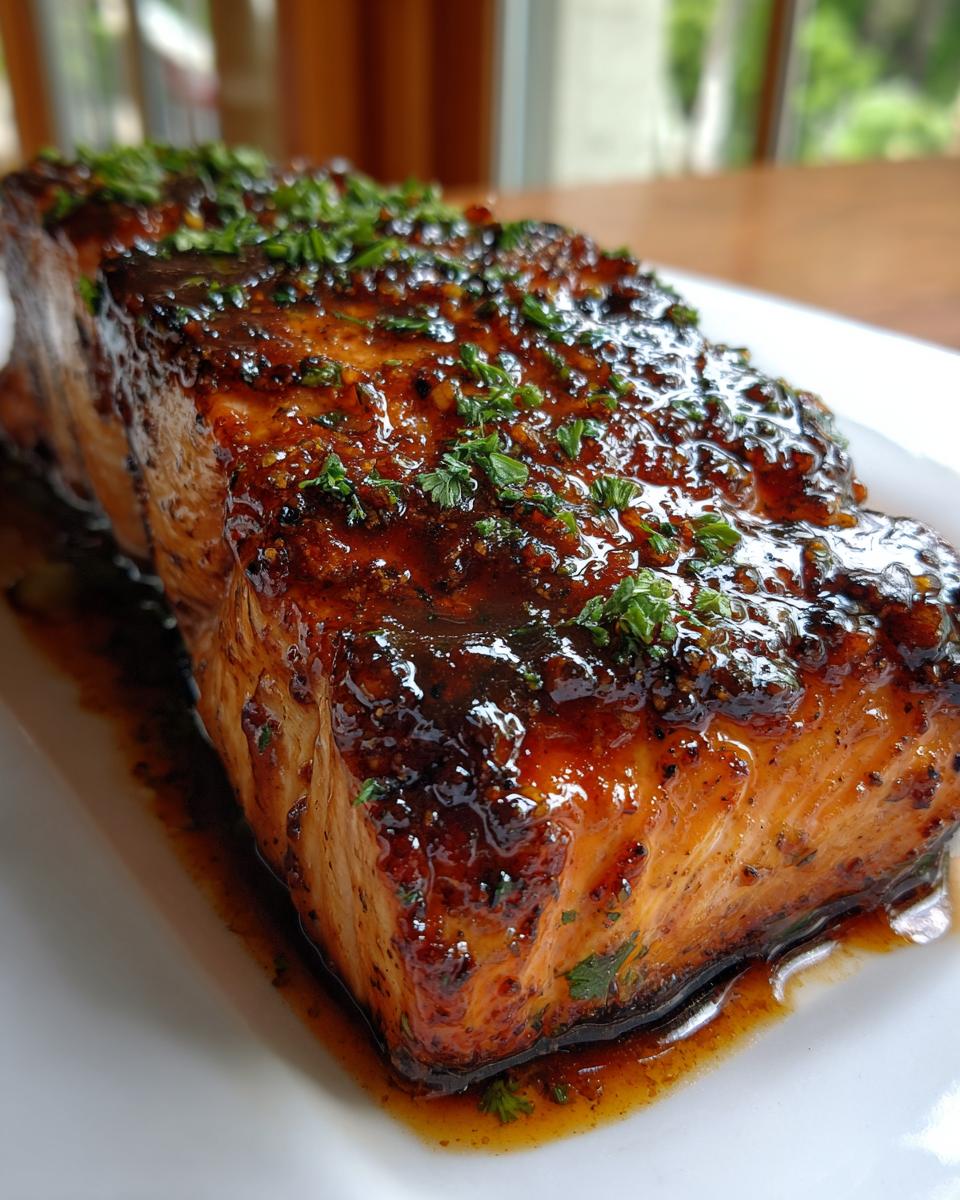
If you want that extra dark caramelization like you get at the restaurant, you can carefully switch your oven to the broiler setting for the last minute or two, but watch it like a hawk! Seriously, a sugary glaze burns in seconds under the broiler, so stay right there. If you’re nervous about burning, just stick to the baking time until you hit that 145-degree mark. For more information on safe internal temperatures for fish, check out official food safety guidelines.
Finishing Touches for Your Baked Texas Roadhouse Salmon
Once they hit that perfect temperature, pull them out immediately. Don’t skip this step: let the salmon rest right there on the pan for about 2 minutes. This resting time allows the juices to redistribute, keeping your fish moist instead of letting all the flavor run out onto the pan when you try to serve it. Finally, take your fresh, chopped parsley and sprinkle it generously over the top. That little pop of green color makes the whole dish look professional. Serve this amazing Texas Roadhouse Salmon hot!
Tips for Success When Making Texas Roadhouse Salmon
Getting that restaurant-quality glaze on your homemade Texas Roadhouse Salmon is all about avoiding a few simple pitfalls. The number one rule I stress is using fillets of similar thickness. If you have one thin piece and one thick piece, the thin one will be dry and sad before the thick one is even done cooking. Try to shop for uniformity!
Remember that second layer of glaze? That’s your shine coat! Applying half at the start and the rest halfway through ensures the sugar cooks down beautifully without scorching during the initial bake. If you are feeling bold and want that deep, dark mahogany color, use the broiler trick I mentioned. But seriously, you must watch it like a hawk—a minute too long and you’ve swapped delicious caramelization for charcoal!
Also, don’t skip that brief resting period after they come out of the oven. Just two minutes sitting on the pan helps lock in all those delicious juices we worked so hard to create with that sweet and savory glaze. Following these little tips will guarantee your Texas Roadhouse Salmon tastes just as good, if not better, than takeout!
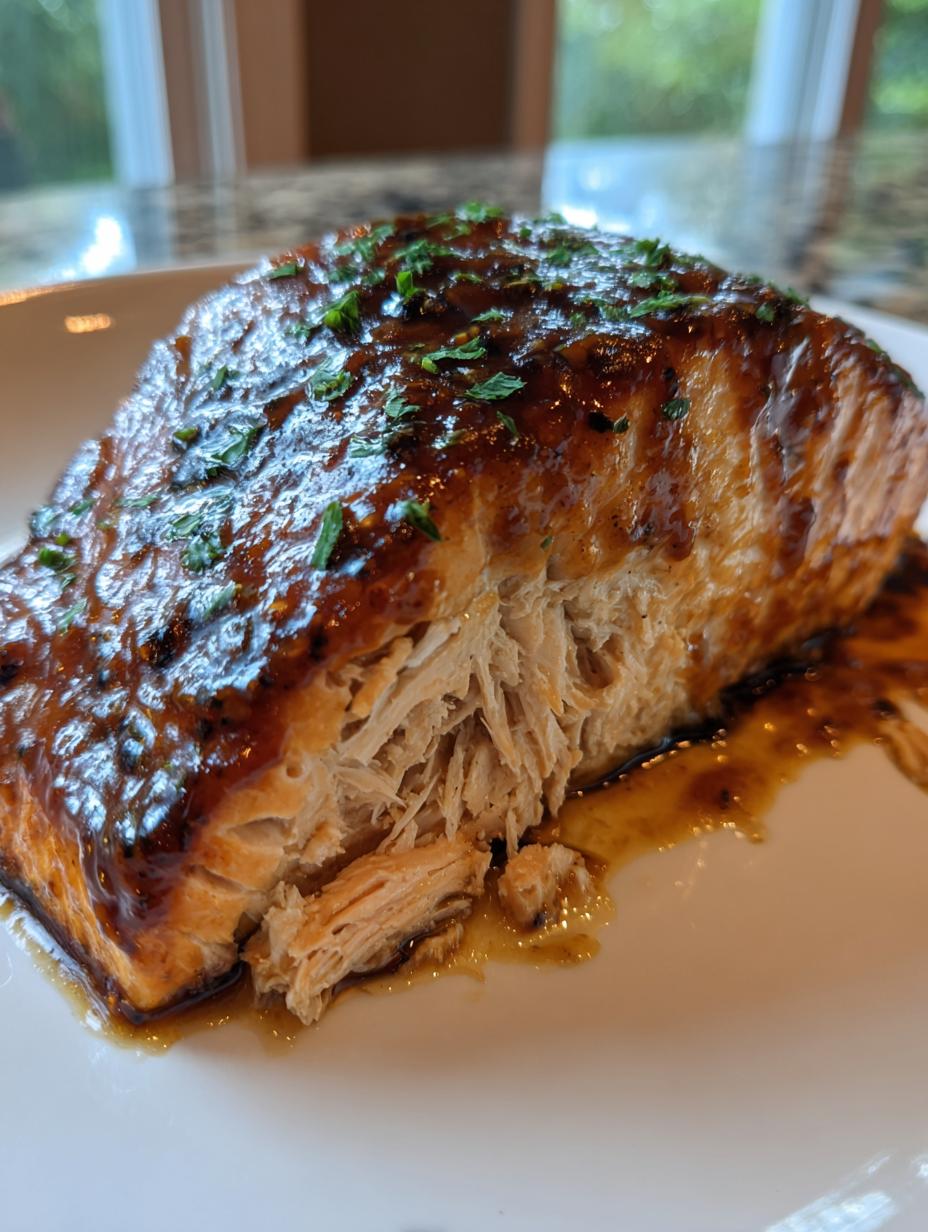
Simple Twists: Variations on Your Texas Roadhouse Salmon
While the classic sweet and savory profile of the Texas Roadhouse Salmon is hard to beat, sometimes you just want to switch things up a little! The beauty of this glaze is that the ratios of brown sugar, soy sauce, and butter are so balanced, you can easily swap out the aromatics. If you aren’t a huge fan of garlic powder, you can absolutely substitute it with a teaspoon of onion powder for a slightly different savory note. That keeps the structure perfect but changes the underlying profile.
For a little warmth, try adding a tiny pinch of ground ginger to the dry spice mix—it plays wonderfully with the honey. If you want to lean into a brighter flavor, skip the parsley garnish and instead mix in a teaspoon of dried dill right before you brush the glaze on the second time. Just remember, keep the core sweet (sugar/honey) and salty (soy sauce) elements the same, and you’ll have a delicious variation every time you make your baked salmon!
Serving Suggestions for Your Flavorful Salmon
This rich, glazed Texas Roadhouse Salmon is the star of the show, so the sides need to complement that sweet and savory punch without overpowering it. Since the salmon is so flavorful, I usually lean toward simple, bright flavors to cut through the richness. Roasted asparagus is always my go-to; toss it with just a little olive oil, salt, and pepper, and roast it alongside your fish if there’s room!
If you need something starchier, skip the heavy mashed potatoes and go for something light like fluffy white rice or even some simple lemon-herb quinoa. Those grains soak up any extra glaze that drips onto the plate, which is always a bonus! For a fresher touch, a simple side salad with a light vinaigrette works beautifully. Honestly, this salmon is so good you could serve it with just a wedge of lemon and call it a night, but a little green on the plate always makes it feel like a complete meal! If you’re interested in learning more about balancing flavors in cooking, you might find resources on culinary science websites helpful.
Storing and Reheating Leftover Texas Roadhouse Salmon
It’s rare that we have leftovers of this amazing Texas Roadhouse Salmon because everyone eats it all, but when we do, storing it properly is key to enjoying that glaze again later! Remember that the glaze is high in sugar, so you want to make sure you handle leftovers safely. The best way to keep the salmon moist is to store it in an airtight container. Don’t leave cooked fish sitting out at room temperature for more than two hours—that’s just kitchen safety 101!
When you reheat it, you want to be gentle so you don’t dry out those beautiful flakes. I always recommend reheating slowly in the oven or covered in the microwave rather than blasting it on high heat. This allows the residual glaze to warm up without burning or turning the fish tough. It’s delicious cold on a salad the next day too, if you’re feeling adventurous!
Storage and Reheating Guide Table
| Storage Location | Duration | Reheating Method |
|---|---|---|
| Refrigerator | 3 to 4 days | Oven at 300°F covered, or microwave in short bursts |
| Freezer | Up to 1 month | Thaw overnight in fridge, then reheat gently in oven |
Questions About Making Texas Roadhouse Salmon
I always get so many great questions when readers try my Texas Roadhouse Salmon recipe for the first time! It’s a simple recipe, but with baking and glazes, sometimes you need that extra bit of reassurance. I’ve gathered a few of the most common things folks ask me about getting this baked salmon just right. Remember, don’t be afraid to experiment a little once you’ve nailed the basic technique! If you want to know more about the author behind these recipes, check out my About Me page.
Can I Substitute the Soy Sauce in this Texas Roadhouse Salmon Recipe?
That salty, umami flavor from the soy sauce is essential to that steakhouse taste, but I know some people need to avoid gluten or just don’t keep it on hand. You can absolutely substitute it! Tamari is a great gluten-free swap that tastes almost identical. If you are watching sodium, you can use low-sodium soy sauce, but you might need to add a tiny pinch more brown sugar to balance it out. Coconut aminos is another popular choice if you are avoiding soy entirely, though it is a bit sweeter, so taste your glaze before applying it!
How Do I Know When My Salmon is Fully Cooked?
This is the most important question for any fish recipe! For safety and the best texture, you absolutely must hit that 145 degrees Fahrenheit internal temperature right in the thickest part of the fillet. If you don’t have a thermometer, look for the visual cues: the salmon should be opaque all the way through, and when you gently press a fork into it, the flesh should flake easily without resistance. If it looks translucent in the middle, it needs a few more minutes. Better slightly underdone than overcooked and dry!
Can I Grill This Texas Roadhouse Salmon Instead of Baking?
Yes, you certainly can grill this Texas Roadhouse Salmon! The glaze needs a little extra love on the grill because the direct heat is much more intense. Preheat your grill to medium heat—around 375°F. Make sure your grill grates are super clean and oiled so that sugary glaze doesn’t glue your fish down! Grill skin-side down first for about 5 minutes, then flip, apply your second glaze layer, and cook until it hits that 145°F internal temperature. Keep the lid closed as much as possible.
Sharing Your Homemade Texas Roadhouse Salmon Experience
I truly hope you enjoyed making this easy, incredible Texas Roadhouse Salmon! It makes my day when you try one of our family’s favorite weeknight meals. If you loved this recipe, please leave a quick star rating below—it helps other cooks find these simple recipes! You can review my recipe disclaimer before rating.
And don’t forget to snap a picture and share it with me on social media. I love seeing how my recipes look on your table. Happy cooking, everyone!
Print
Amazing 20-Minute Texas Roadhouse Salmon
- Total Time: 28-30 minutes
- Yield: 4 servings 1x
- Diet: Gluten Free
Description
Make Texas Roadhouse Salmon at home. This recipe uses a sweet and savory glaze for flavorful baked salmon fillets.
Ingredients
- 4 salmon fillets 6 oz each
- 1/4 cup brown sugar
- 2 tablespoons soy sauce
- 2 tablespoons butter, melted
- 1 tablespoon honey
- 1 teaspoon garlic powder
- 1/2 teaspoon black pepper
- 1/4 teaspoon paprika
- 2 tablespoons fresh parsley, chopped
Instructions
- Preheat oven to 400°F (200°C). Line a baking sheet with parchment paper and pat salmon fillets dry.
- Whisk together brown sugar, soy sauce, melted butter, honey, garlic powder, black pepper, and paprika in a small bowl.
- Place salmon on the baking sheet and brush with half of the glaze.
- Bake for 8 minutes. Remove from oven and brush with remaining glaze.
- Bake for an additional 8-10 minutes until salmon flakes easily and reaches 145°F internal temperature.
- Remove from oven, let rest for 2 minutes, sprinkle with parsley, and serve.
Notes
- Use salmon fillets of similar thickness for even cooking.
- A second glaze application provides shine.
- Ensure salmon reaches 145°F for food safety.
- Resting the salmon briefly helps retain juices.
- Broil for 1-2 minutes at the end for extra caramelization.
- Prep Time: 10 minutes
- Cook Time: 18-20 minutes
- Category: Main Course
- Method: Baking
- Cuisine: American
Nutrition
- Serving Size: 1 fillet
- Calories: Estimate needed
- Sugar: Estimate needed
- Sodium: Estimate needed
- Fat: Estimate needed
- Saturated Fat: Estimate needed
- Unsaturated Fat: Estimate needed
- Trans Fat: Estimate needed
- Carbohydrates: Estimate needed
- Fiber: Estimate needed
- Protein: Estimate needed
- Cholesterol: Estimate needed